2022 Cuba
Masculinities
In a patriarchal society, masculine gender identity is often shaped by violently toxic stereotypes. A dominant, competitive, and oppressive model of masculinity is imposed at birth. Attitudes, language, and behaviors are progressively molded to conform to an ideal of macho virility that erases vulnerability and dependence.
Any reference to femininity is aggressively forbidden, as it is perceived as a threat to the full affirmation of a masculine prototype that allows no deviation. There is nothing natural about this trajectory. This model is socially and culturally constructed to reject anything that does not conform to it.
It becomes necessary to propose a desertion—one that distances itself from patriarchal plans and uniforms. To deconstruct masculinity as it has been historically established. To open a cage. To release a chant. It is time to celebrate a man who is free to practice self-determination: without social restrictions, without authoritarian sanctions, without suffocating stereotypes.
— A. Michele
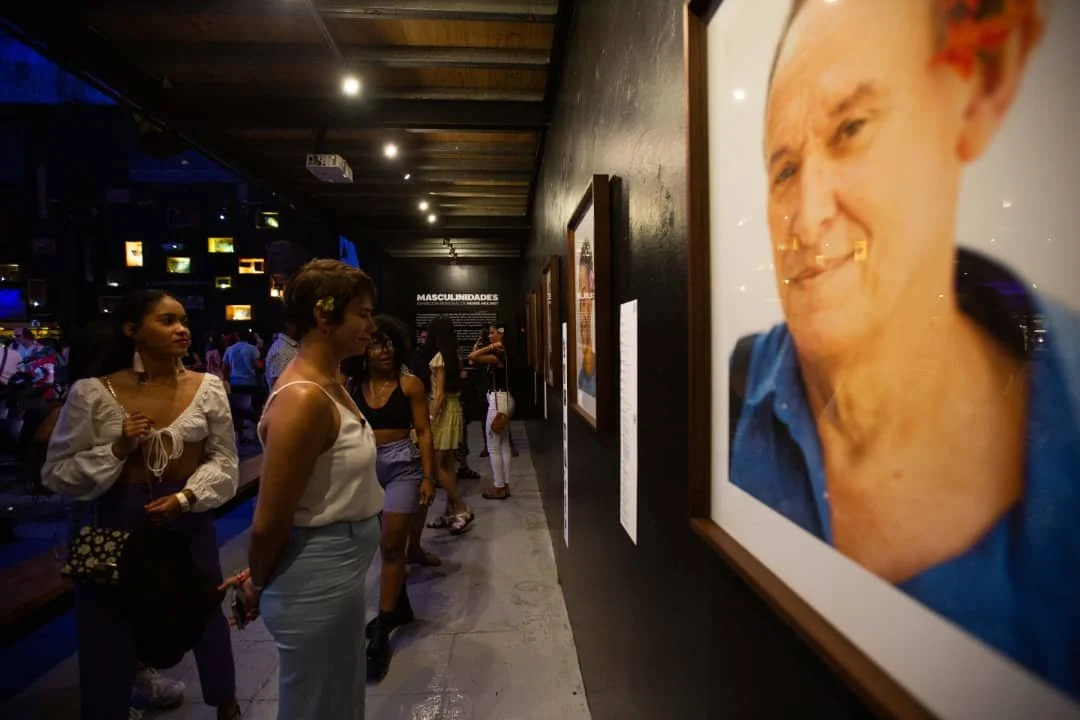
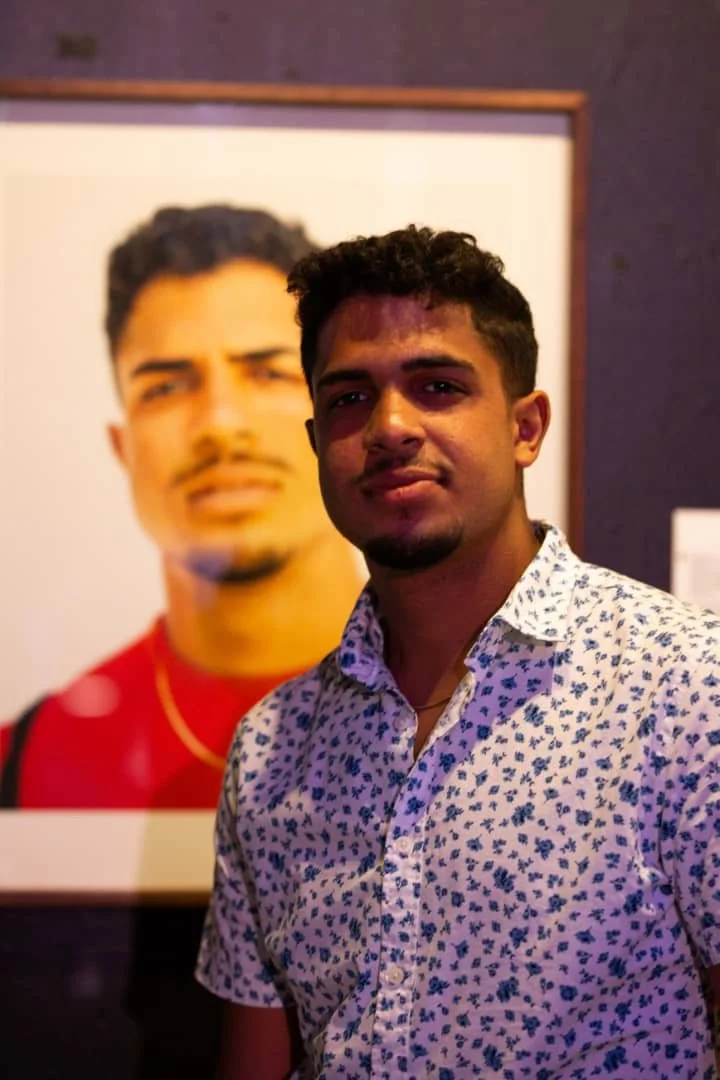
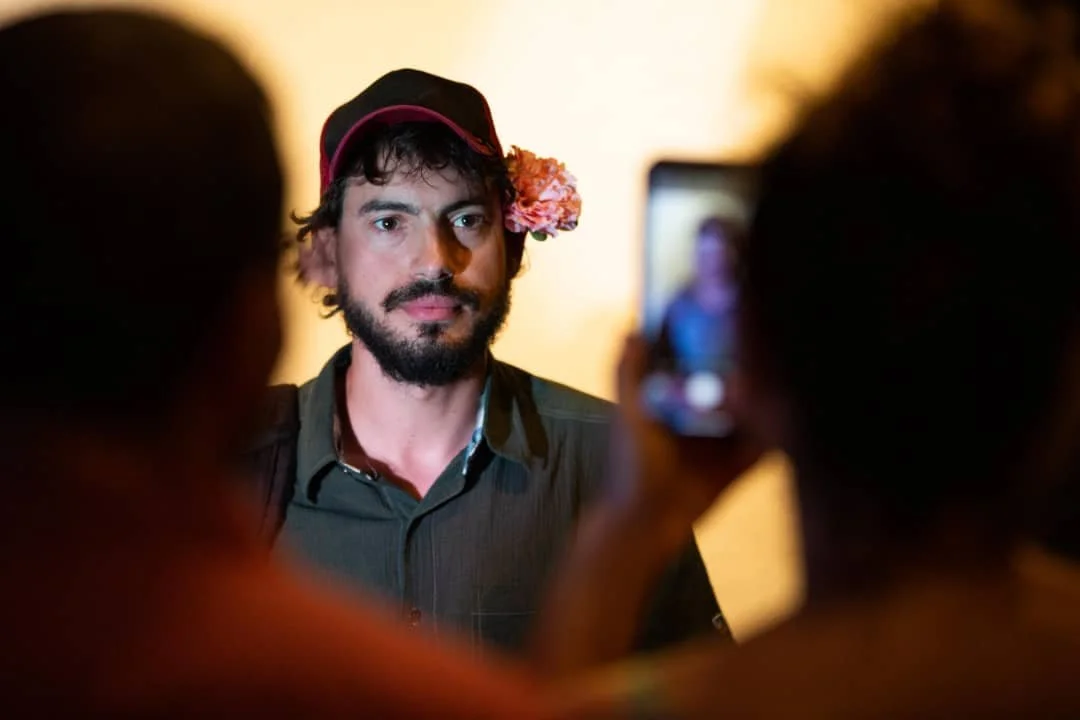
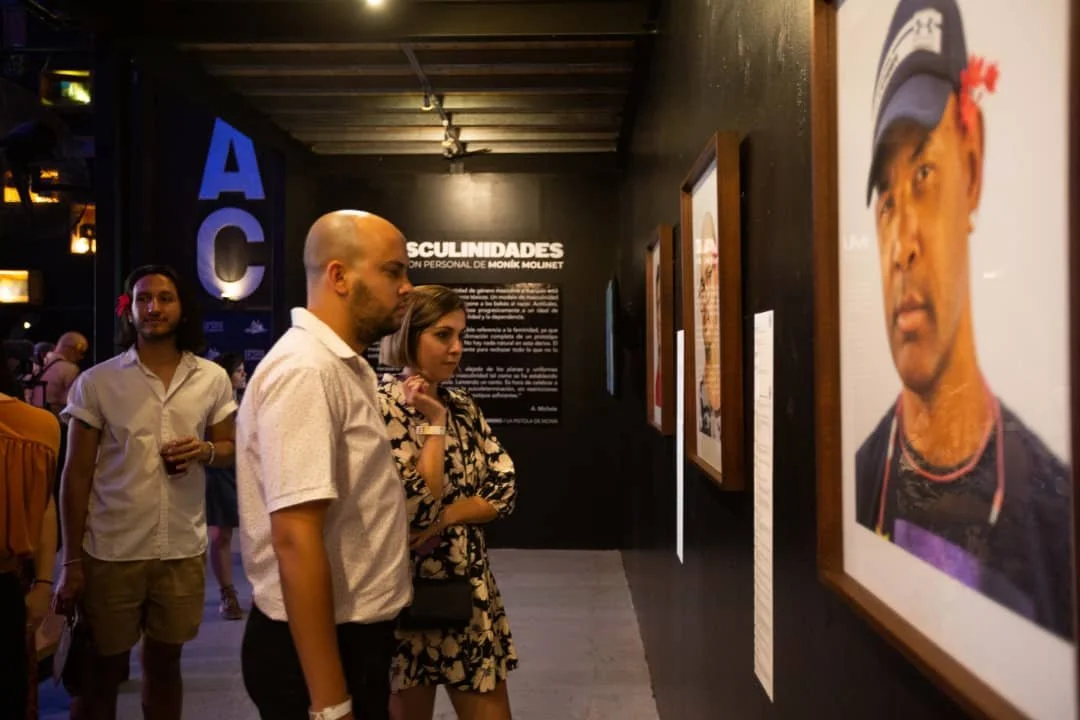
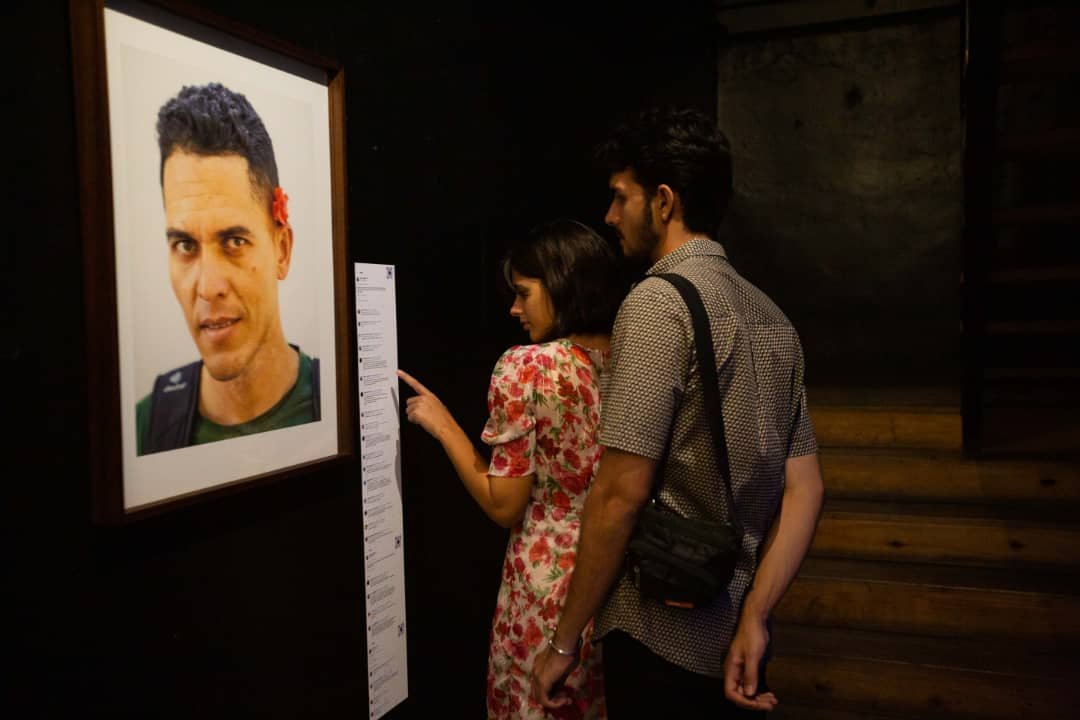
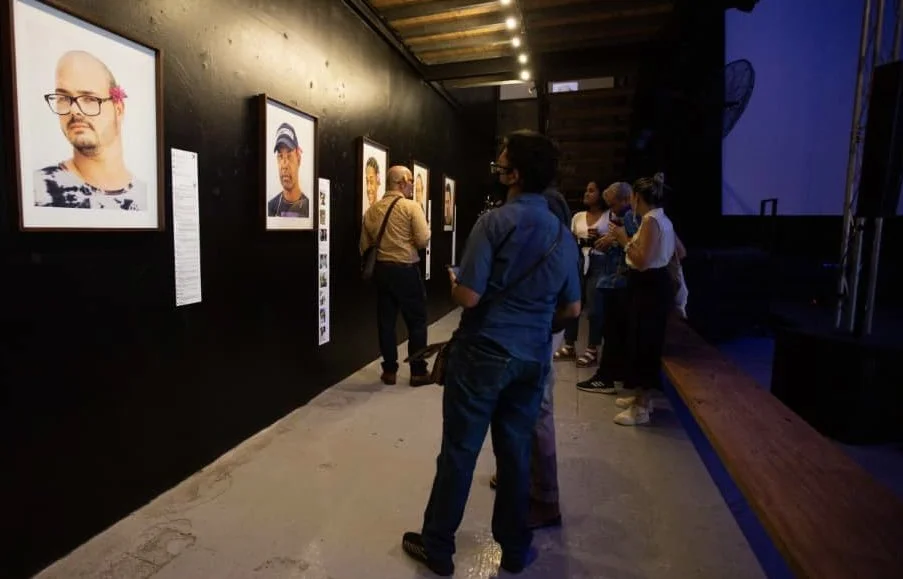
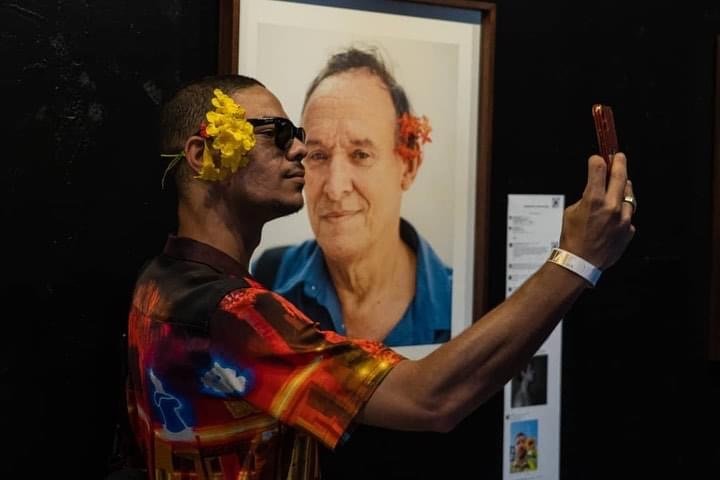
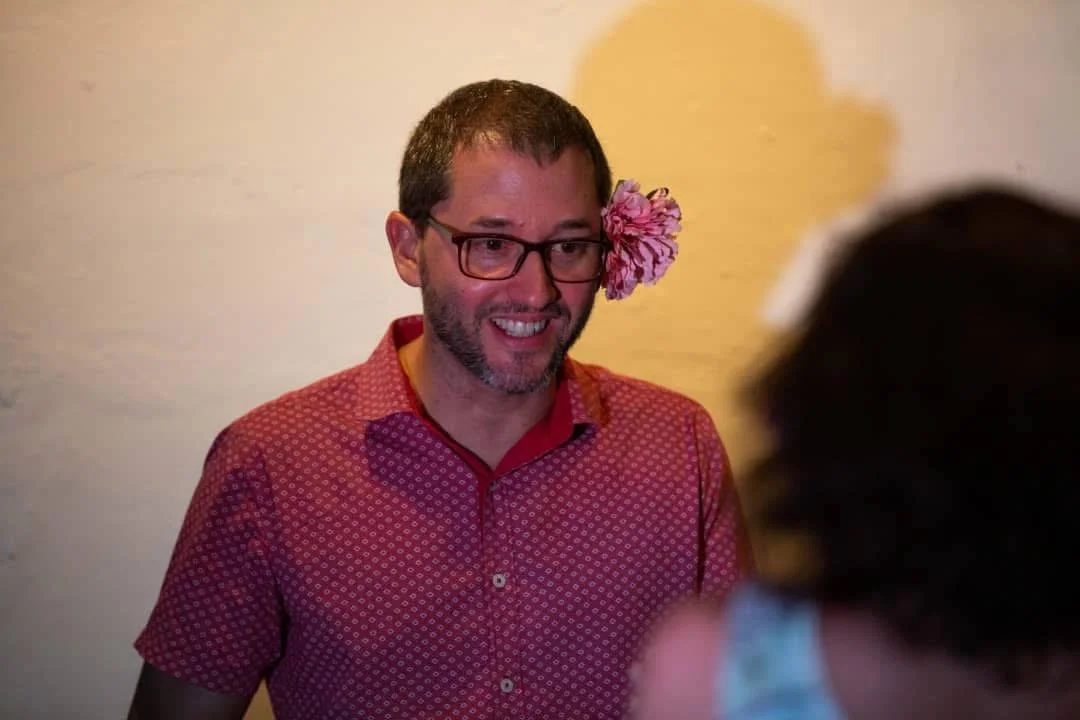
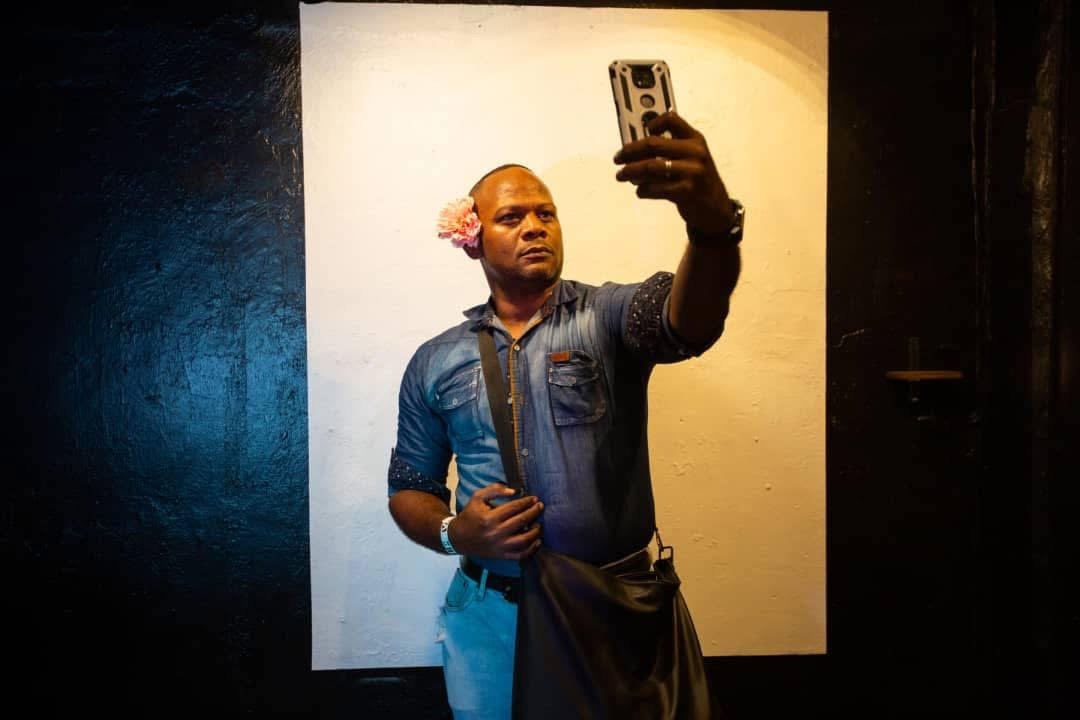
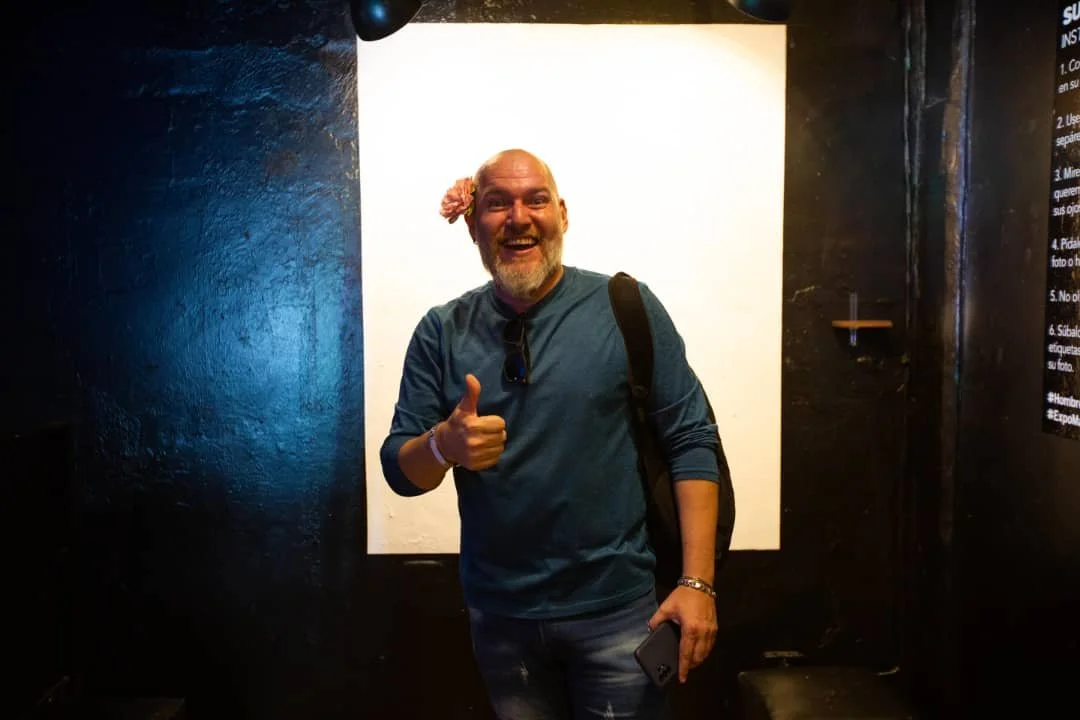
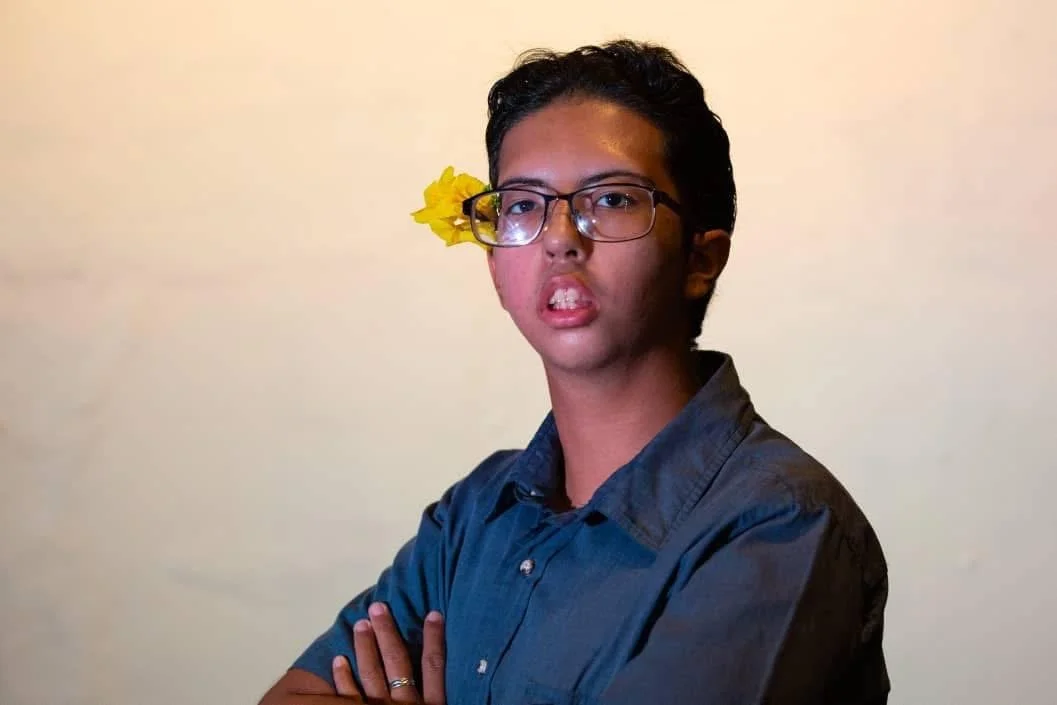
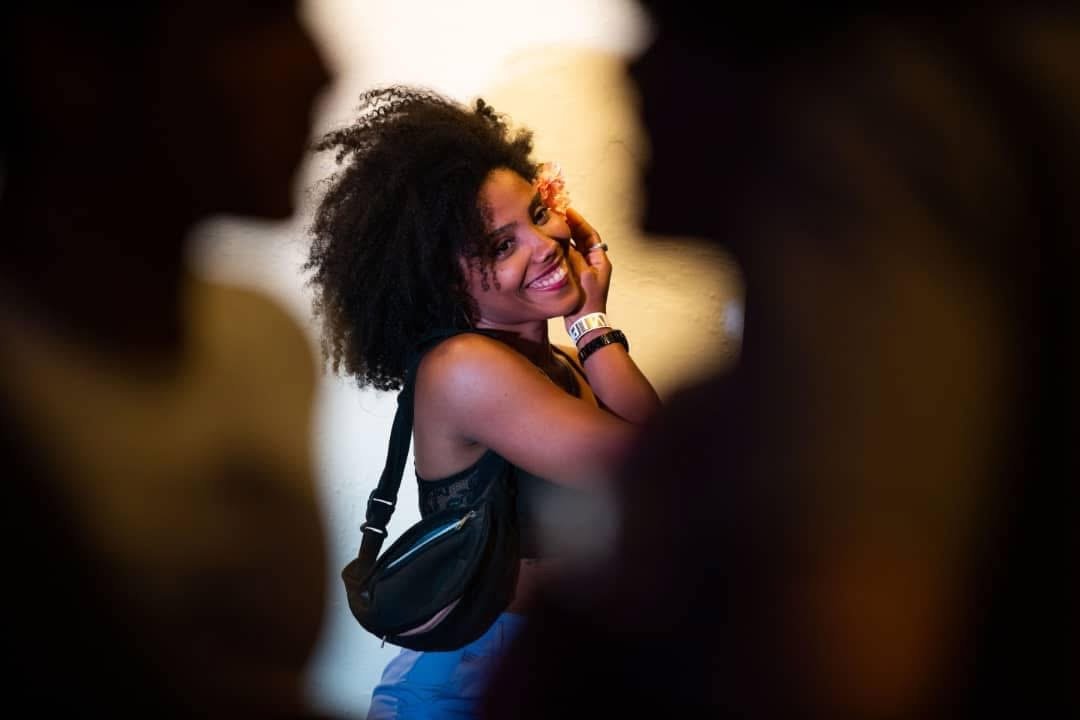
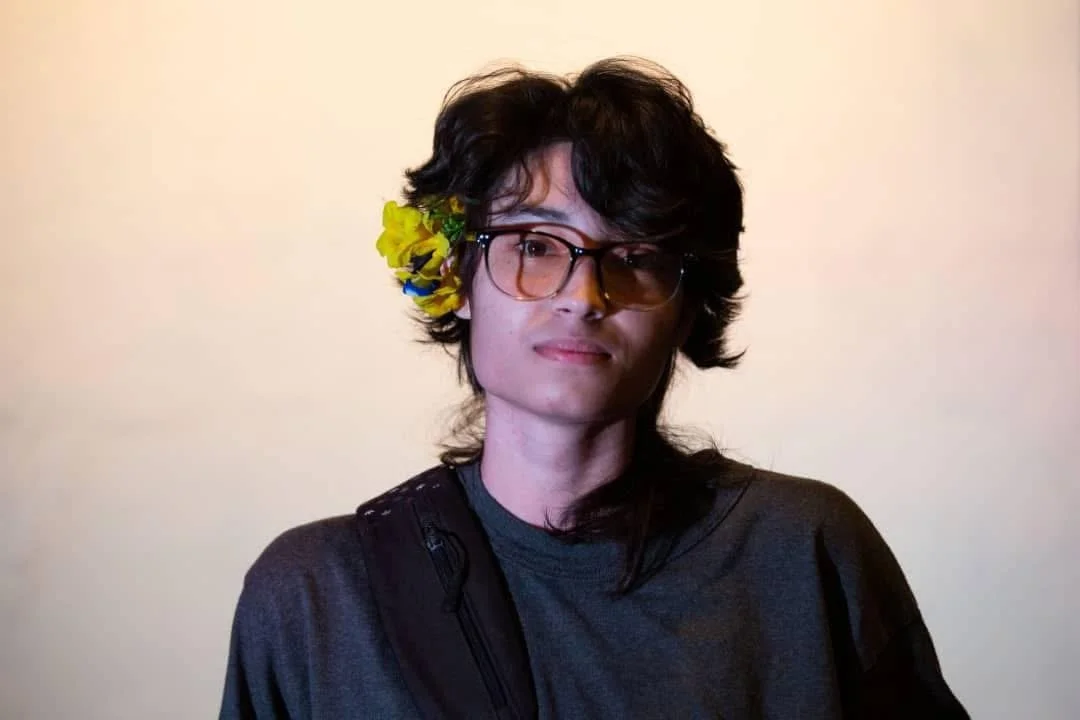
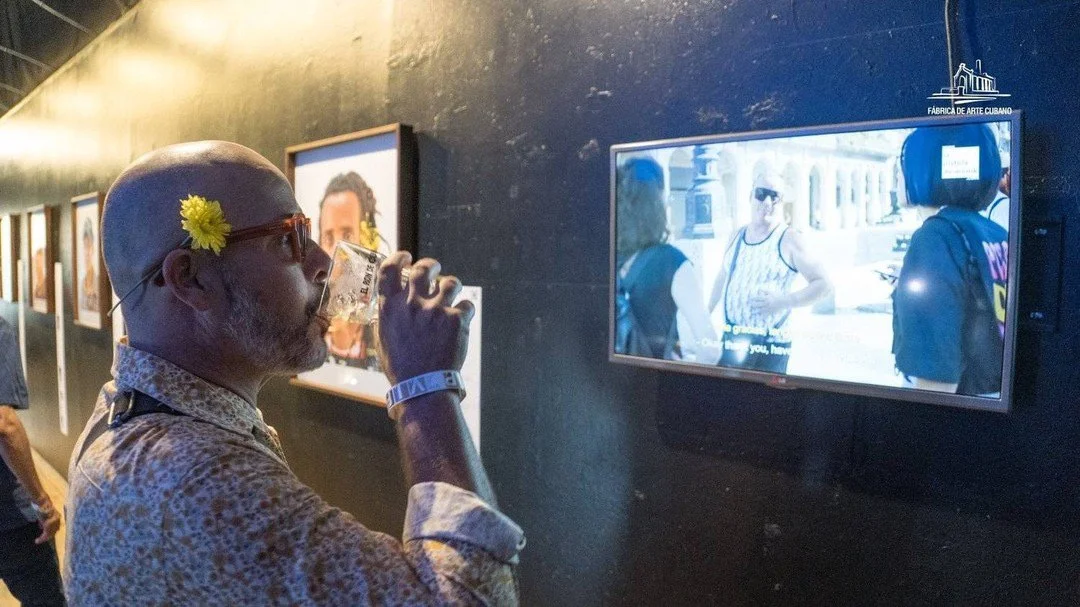
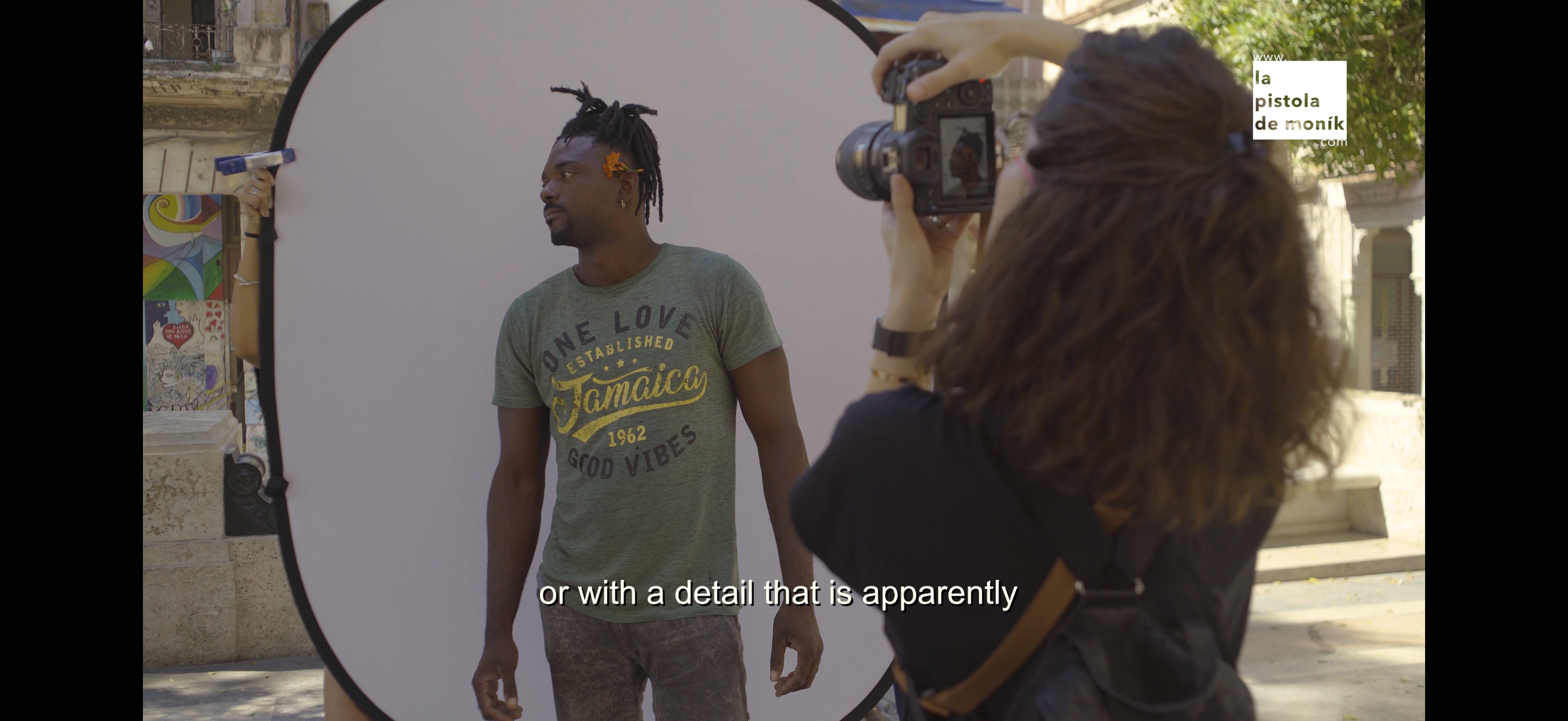
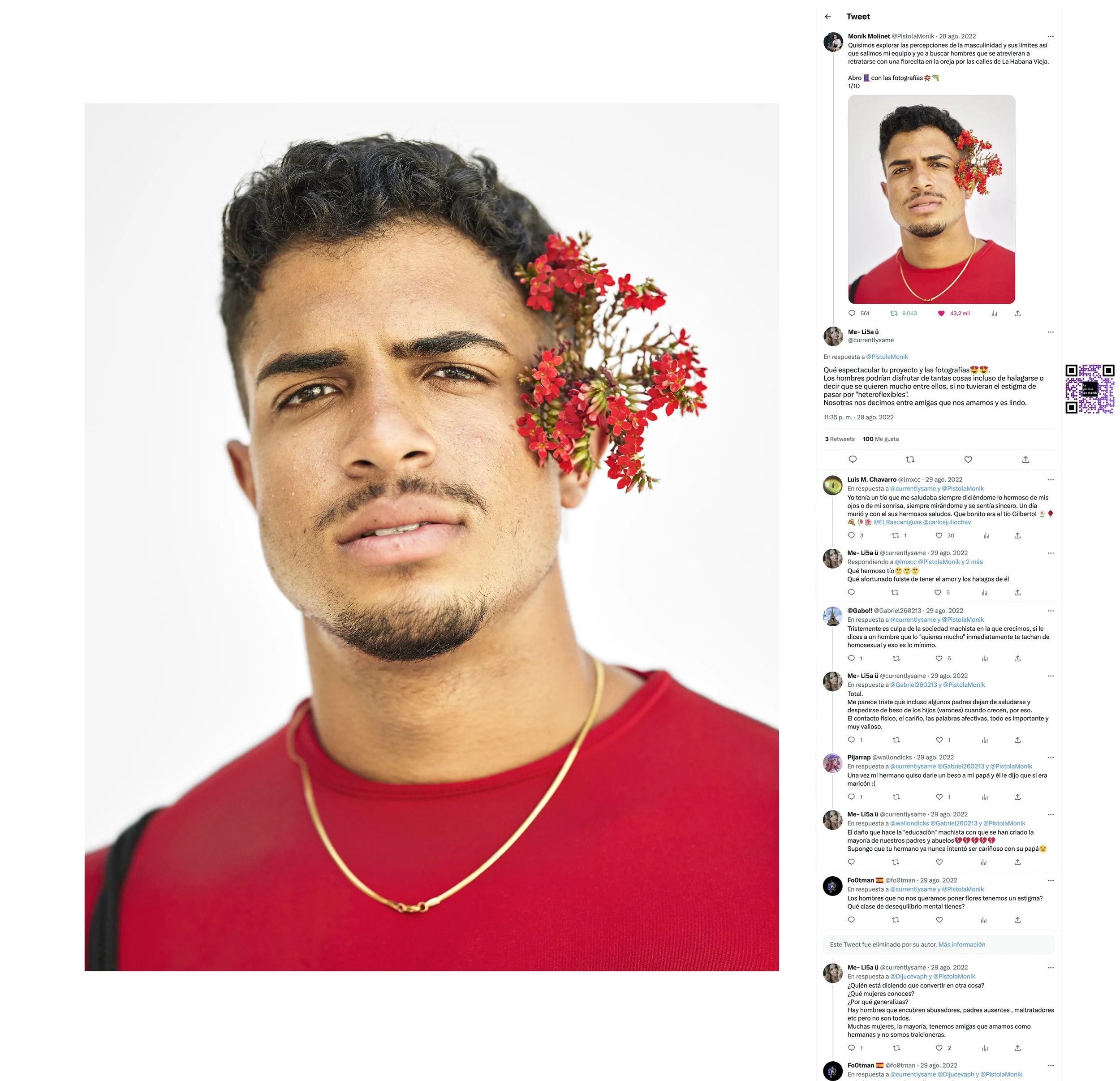
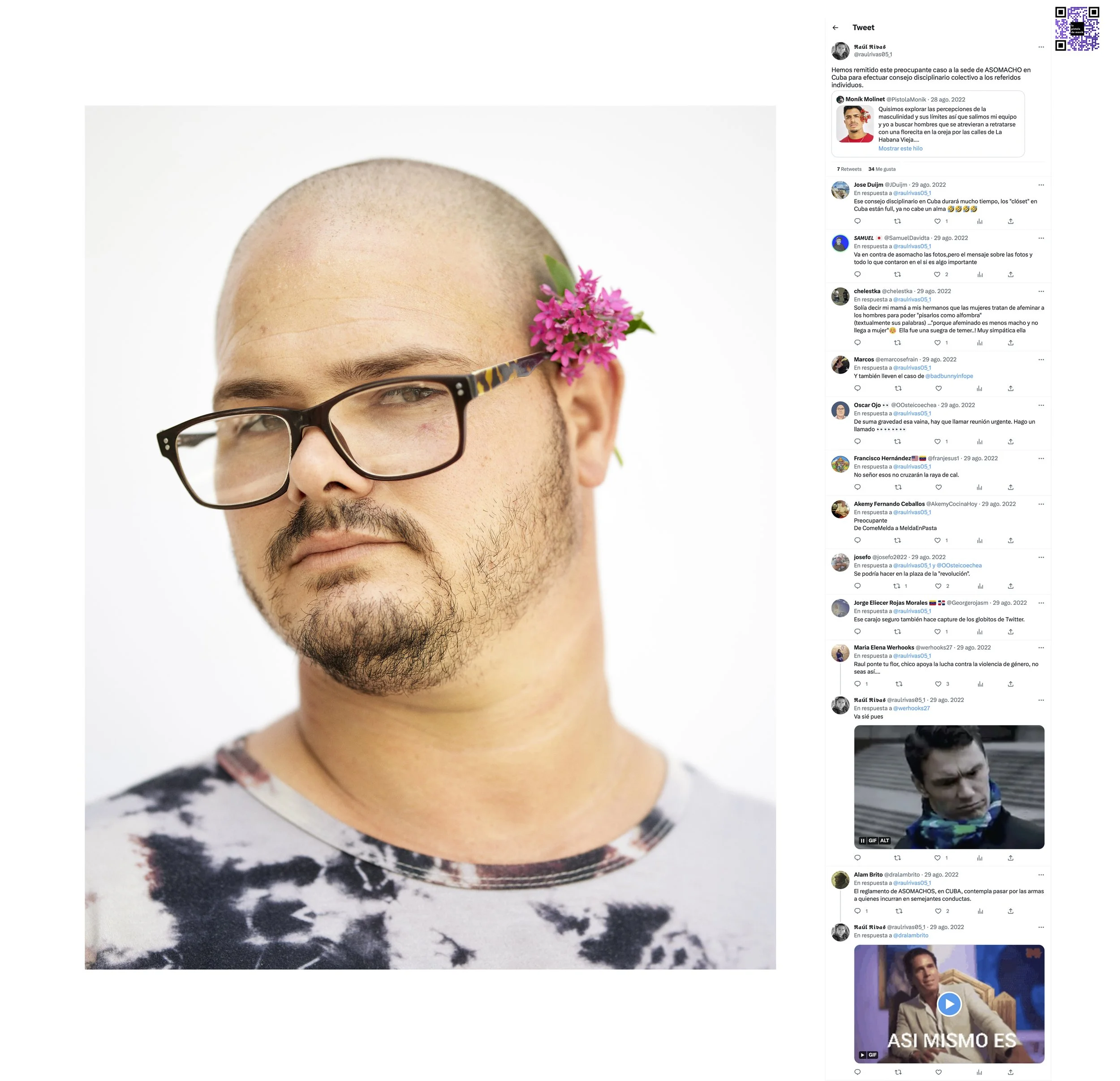
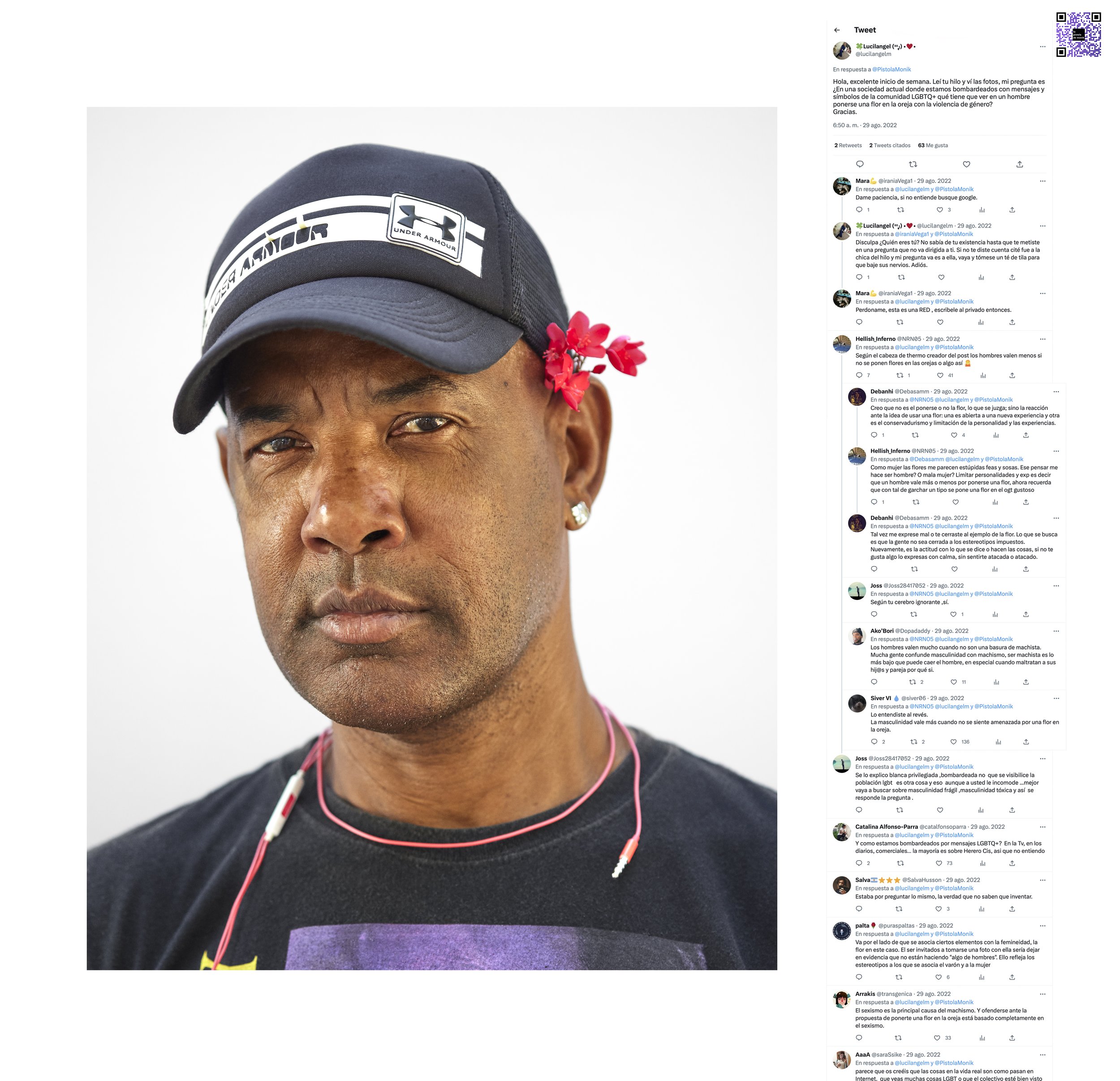
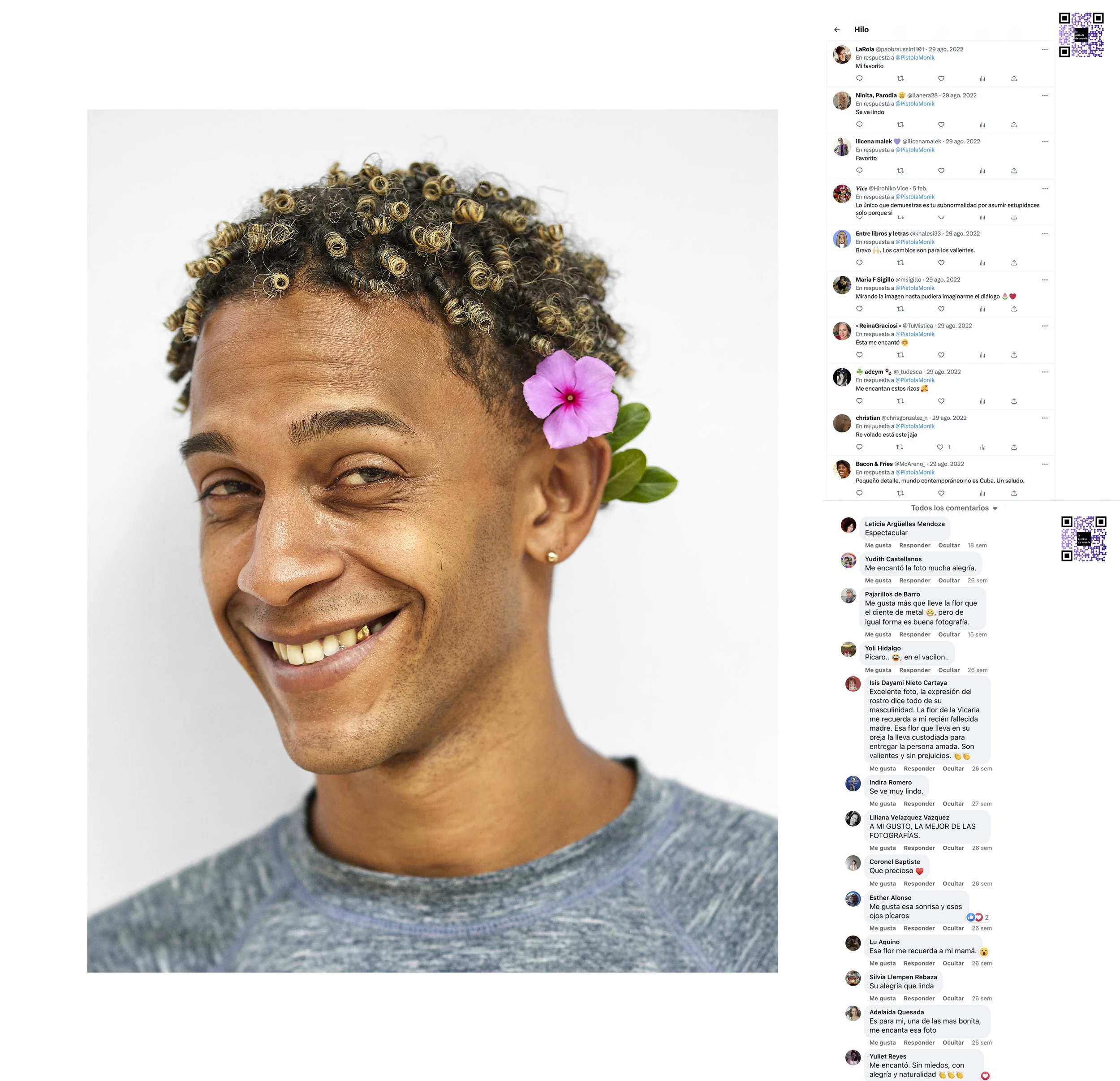
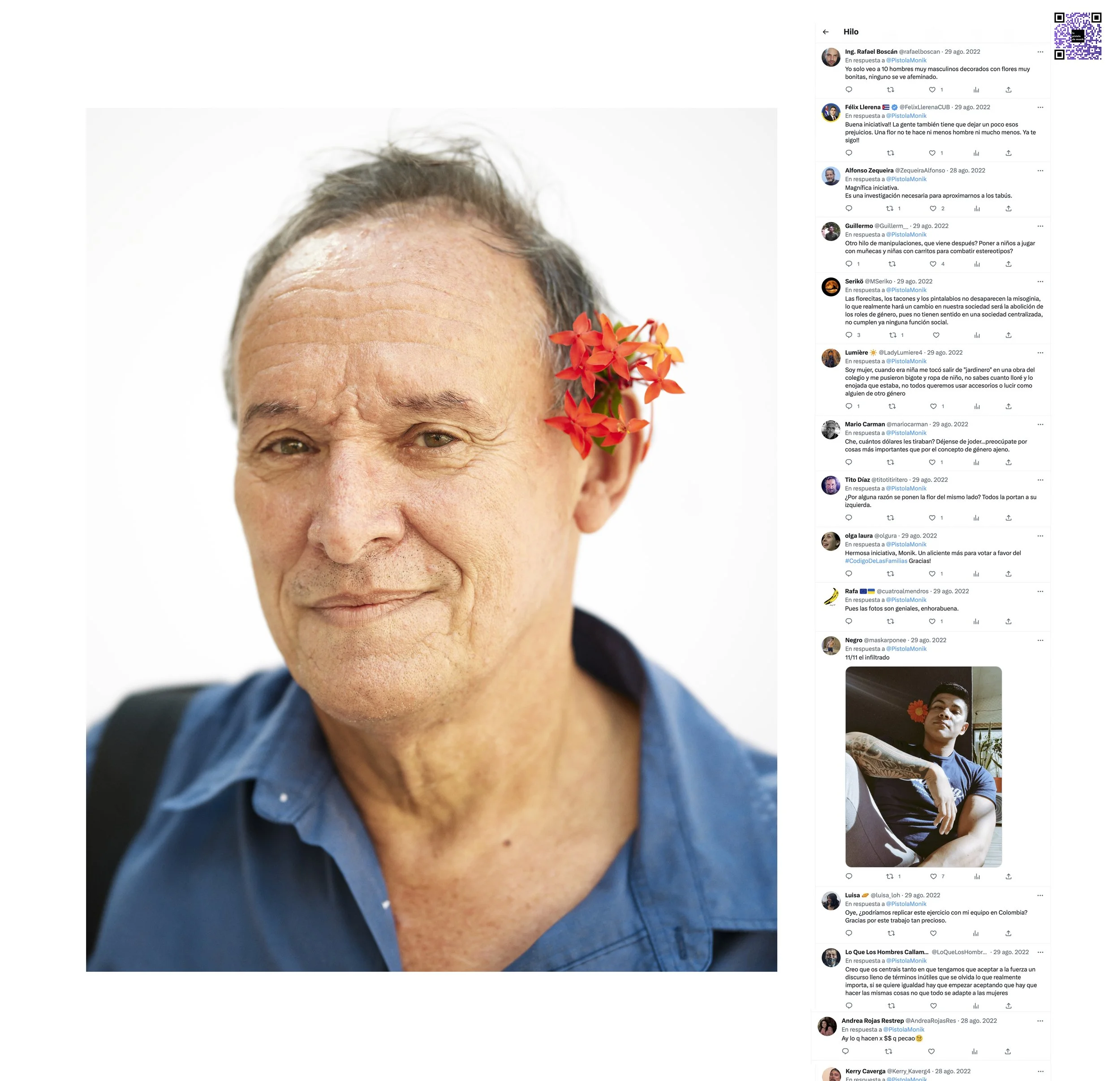
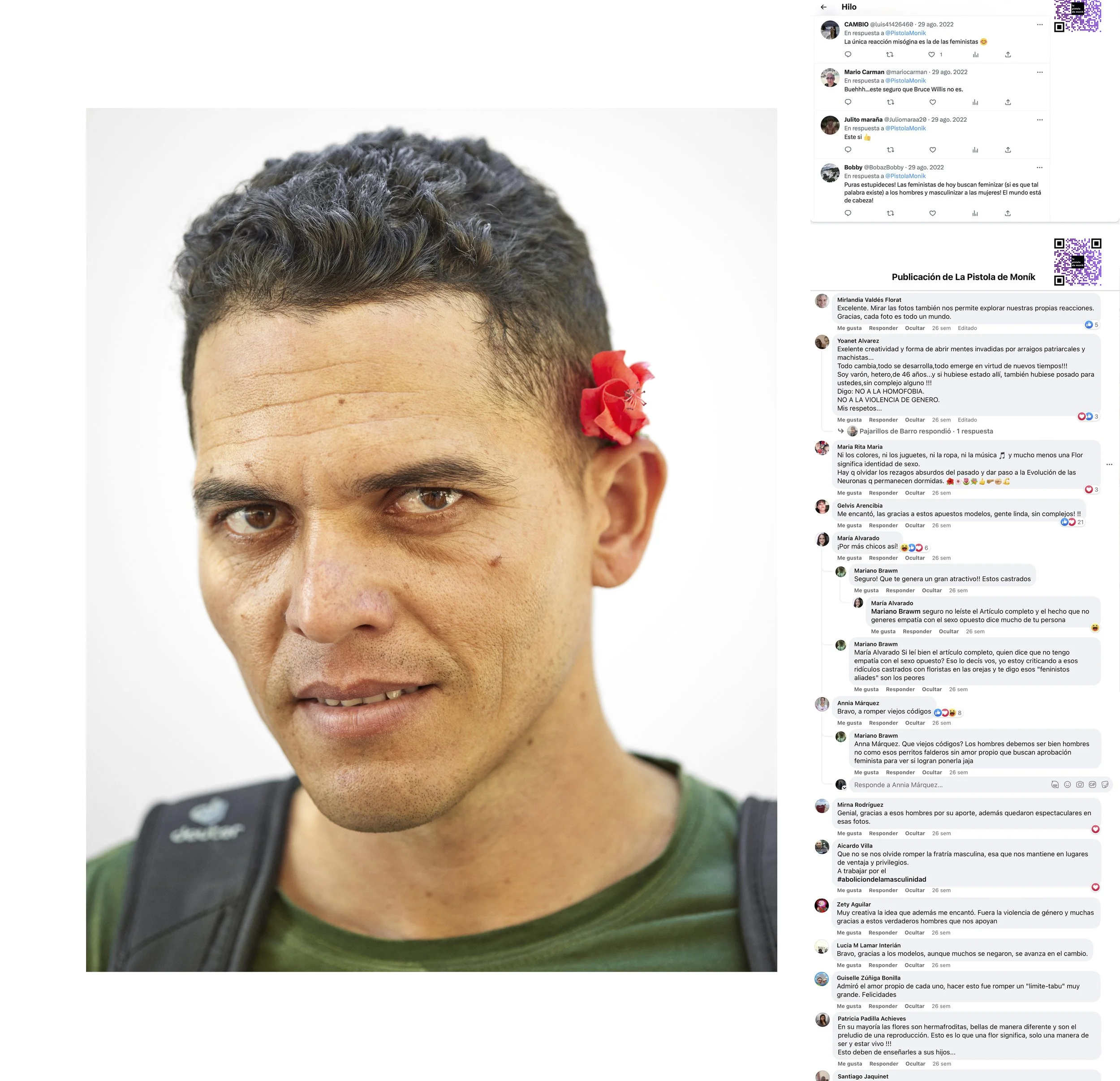
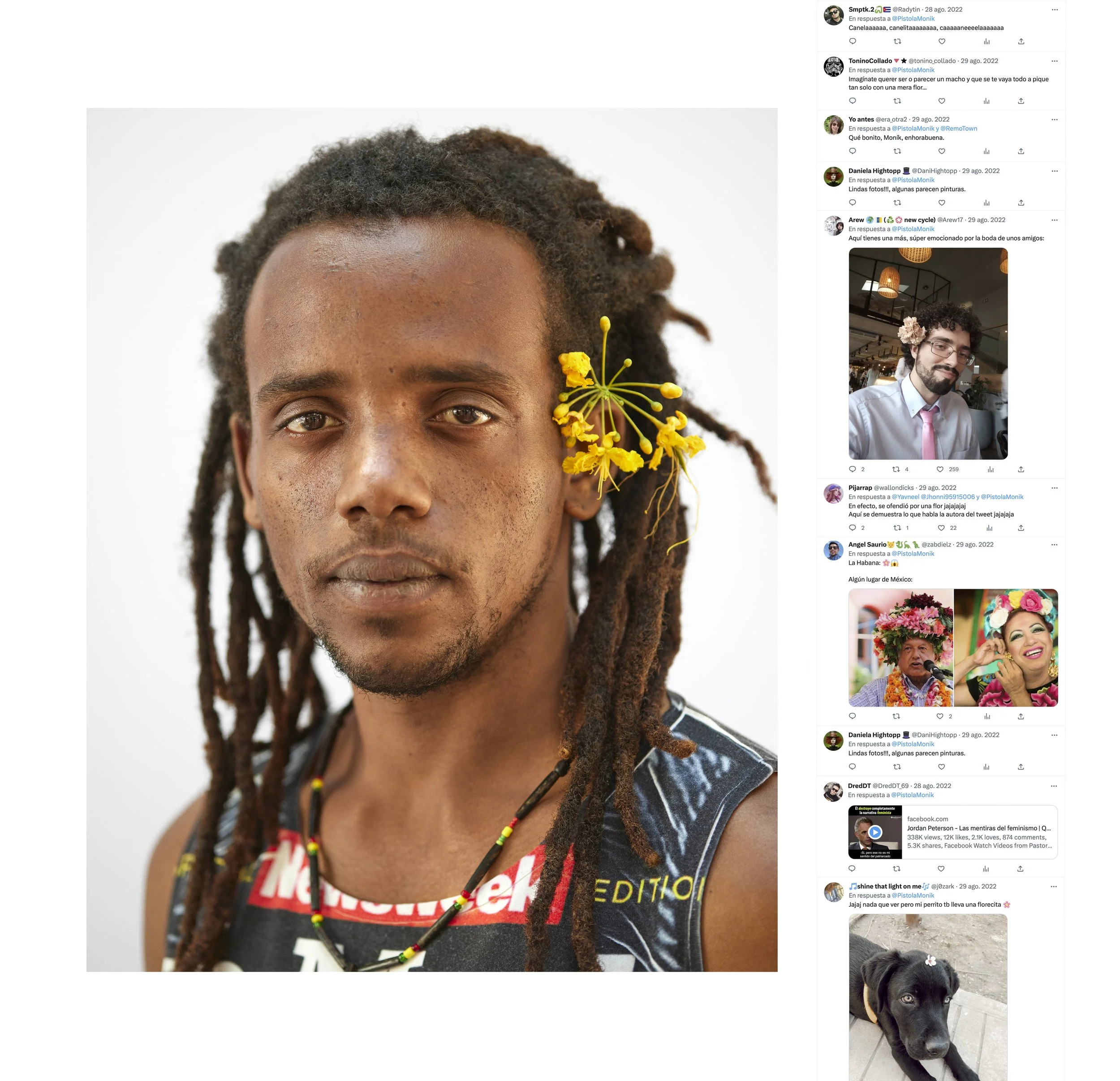
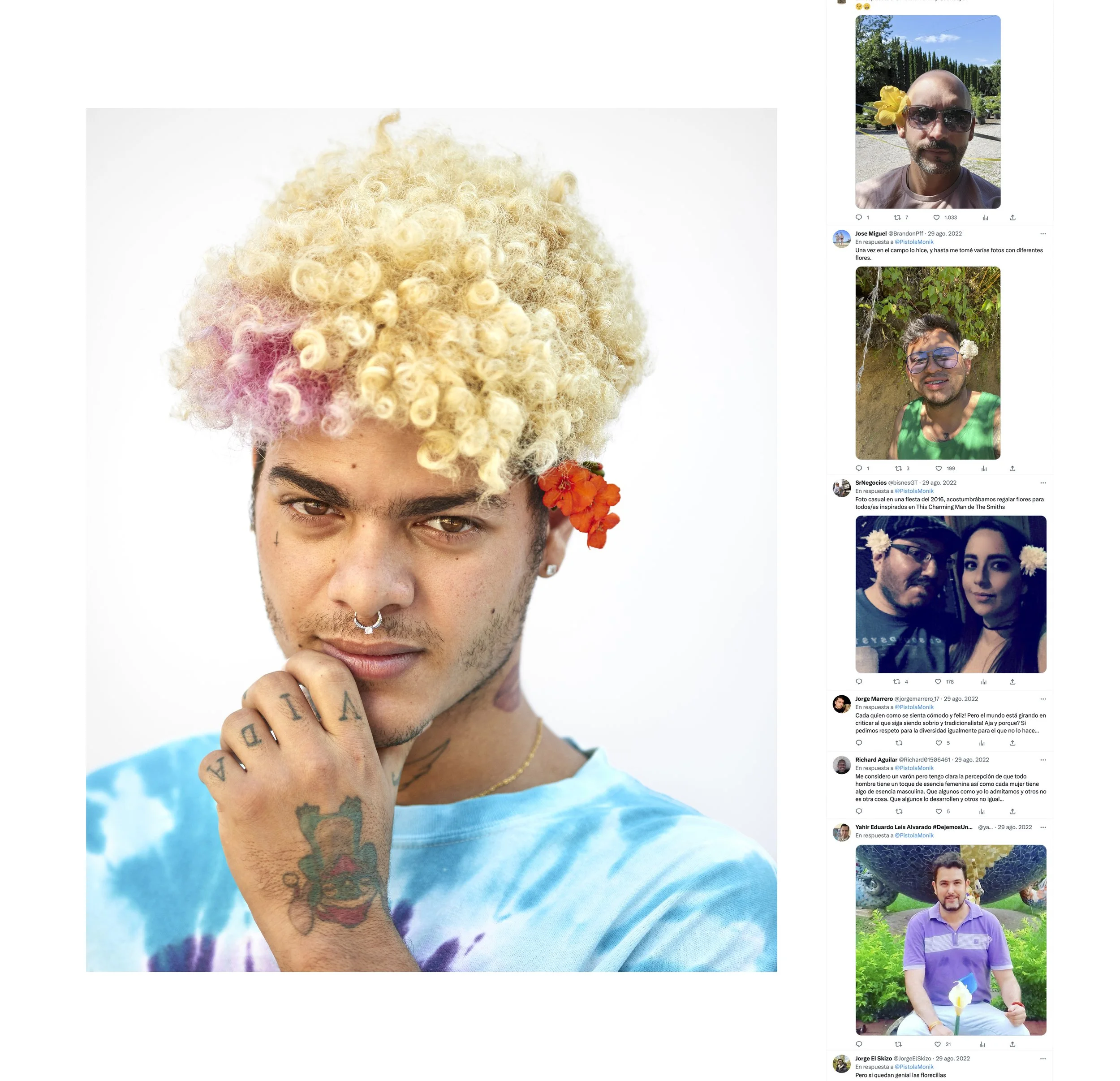
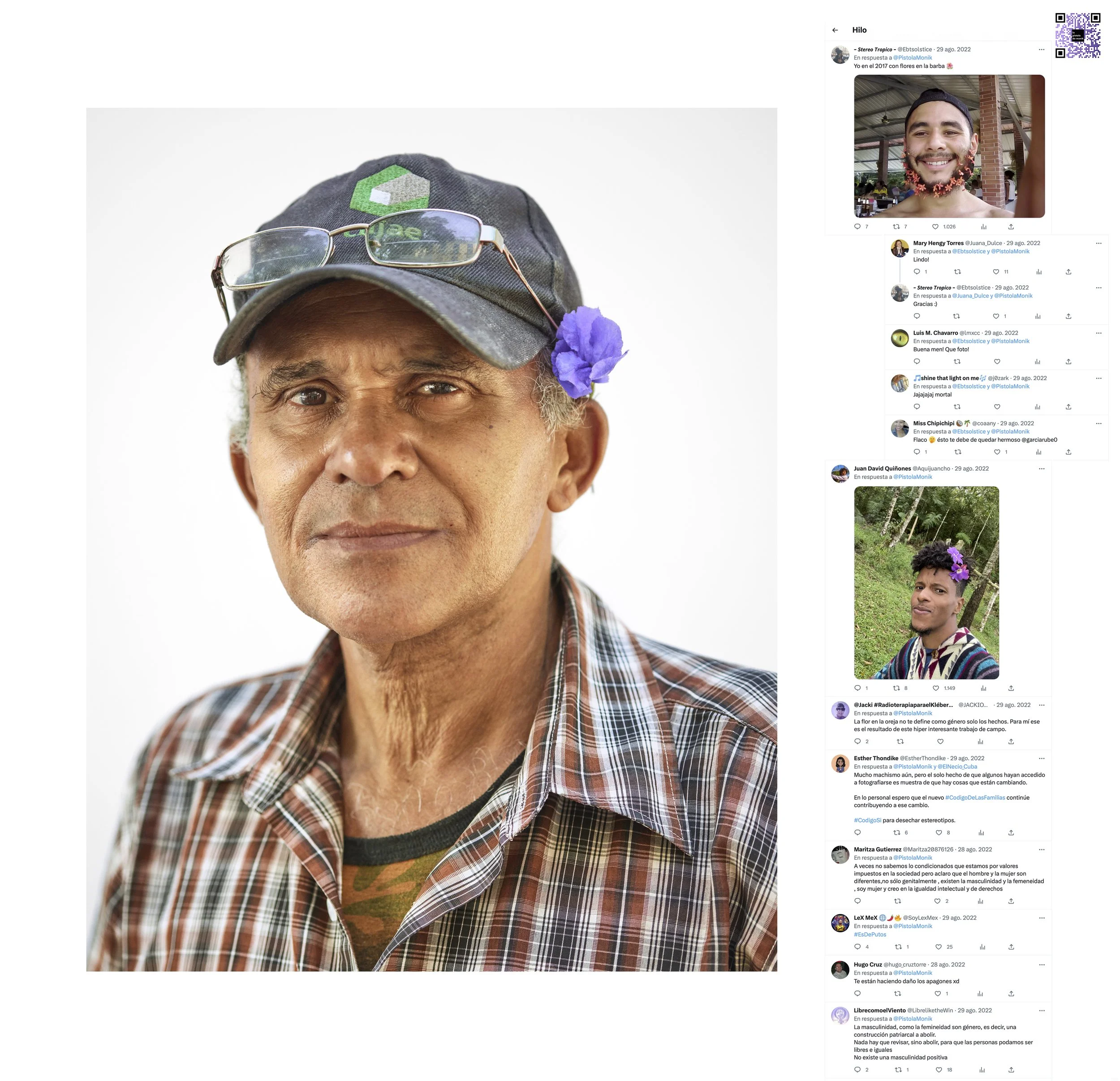
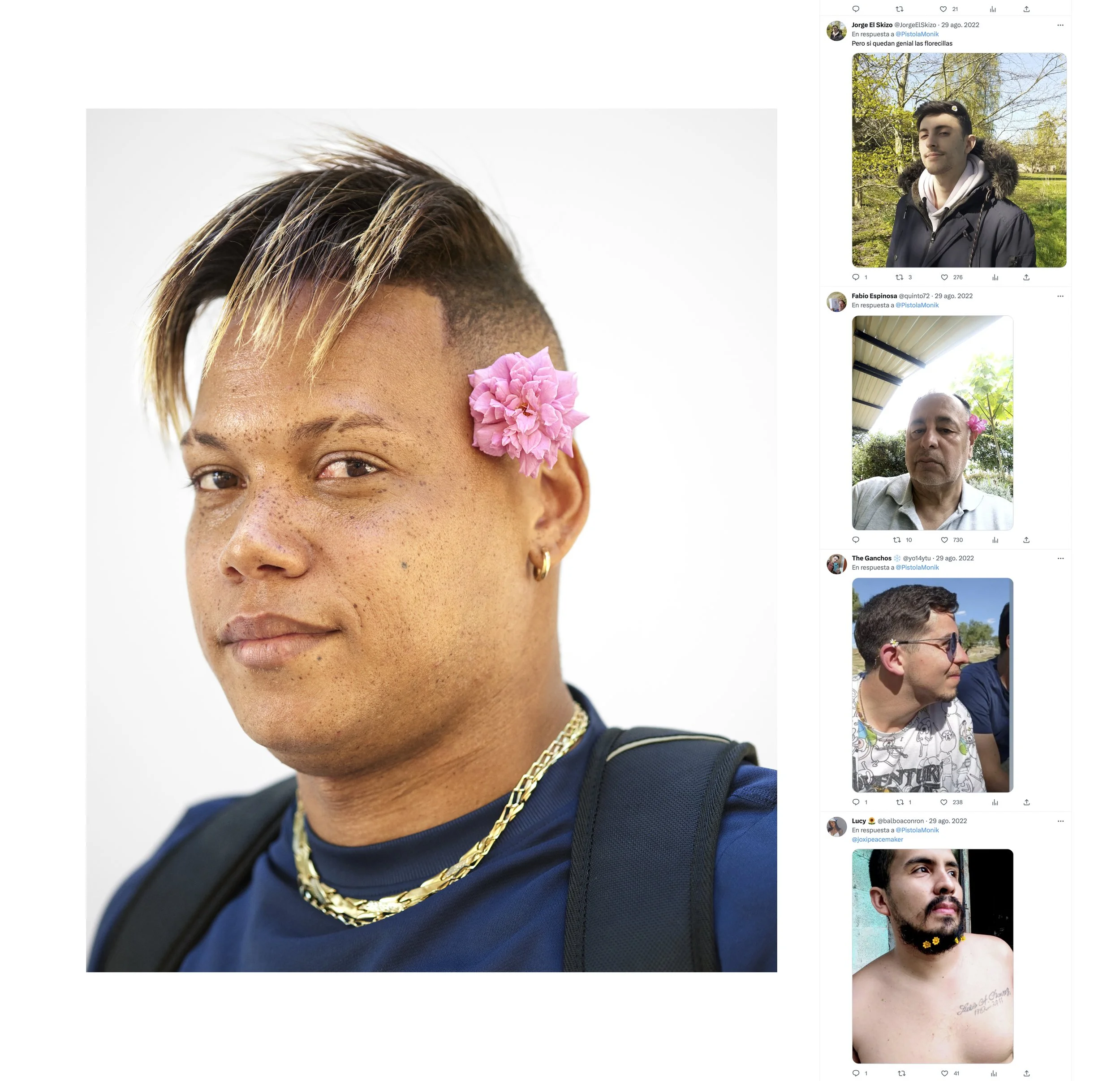
The series comprises more than 40 portraits and 3 video documentations. We approached men on the streets of Havana, inviting them to be photographed with a wildflower tucked behind their ear as a gesture of support for the fight against violence toward women.
Their reactions were documented, revealing entrenched gender prejudices and recurring traits through which hegemonic masculinity is constructed. This process opened a public debate that went viral on the social media platform X, reaching over 8 million accounts within 24 hours. The artist’s account was temporarily suspended for “violating the platform’s rules.”
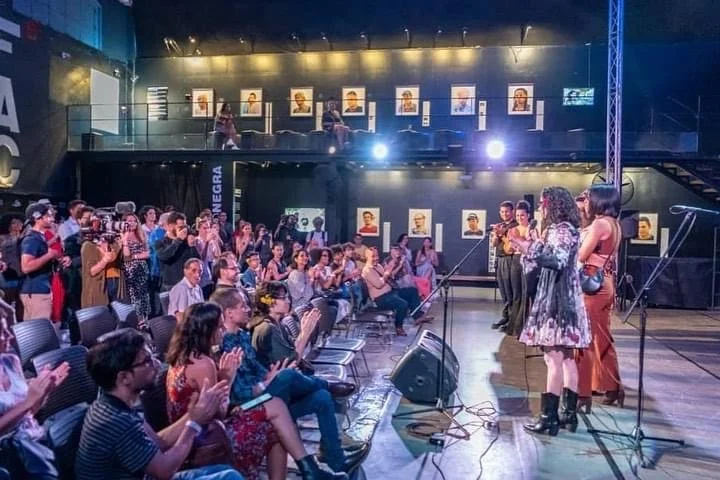
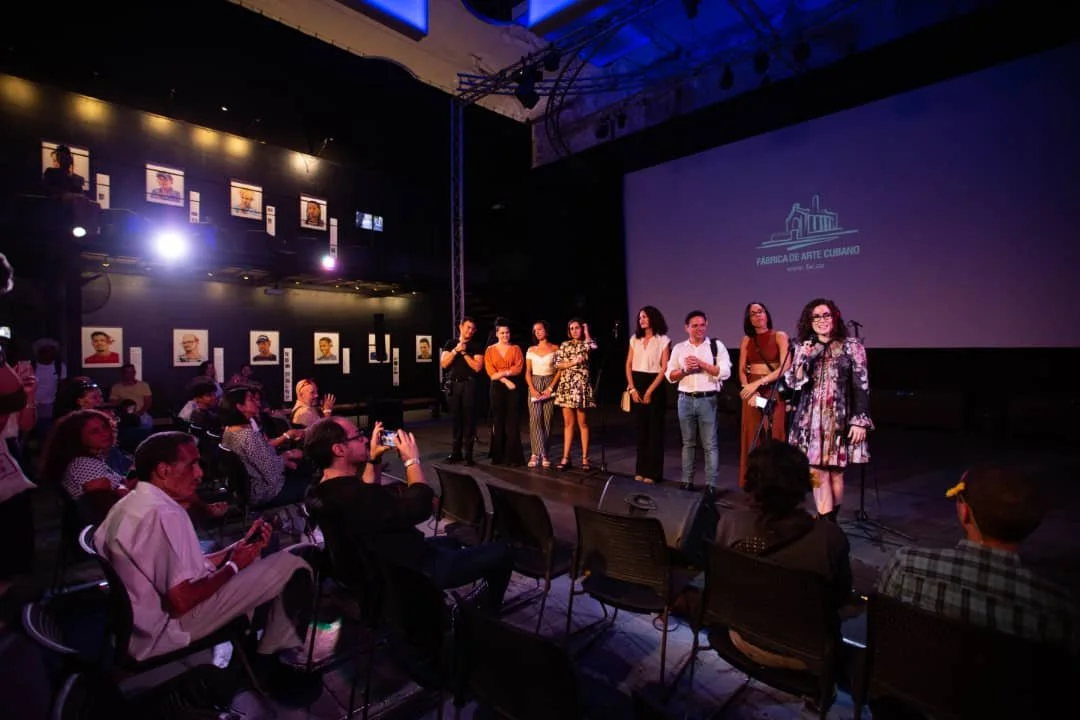
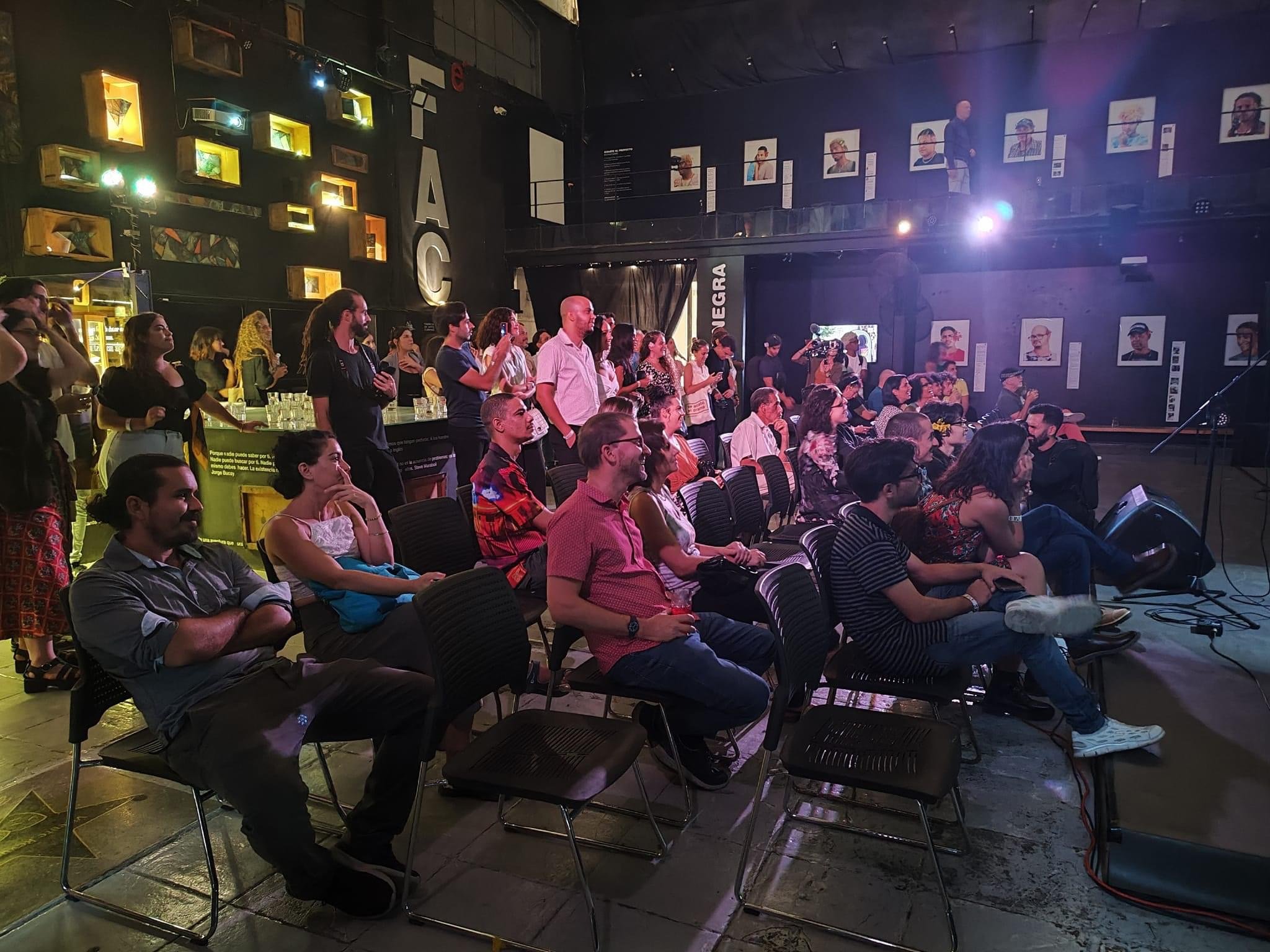
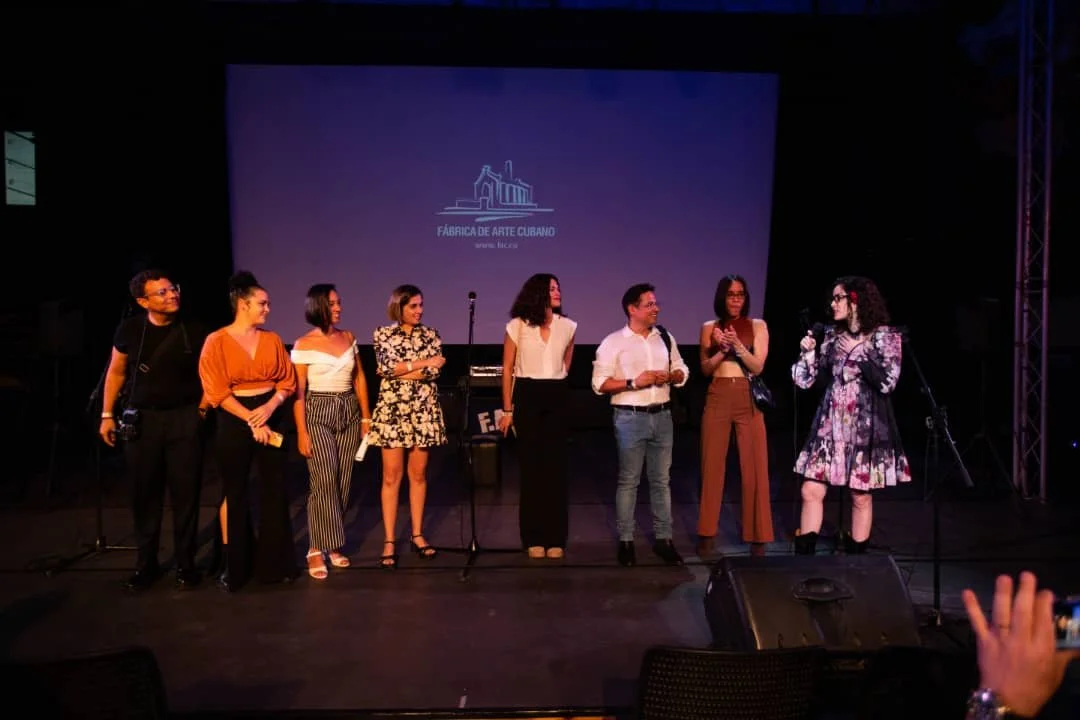
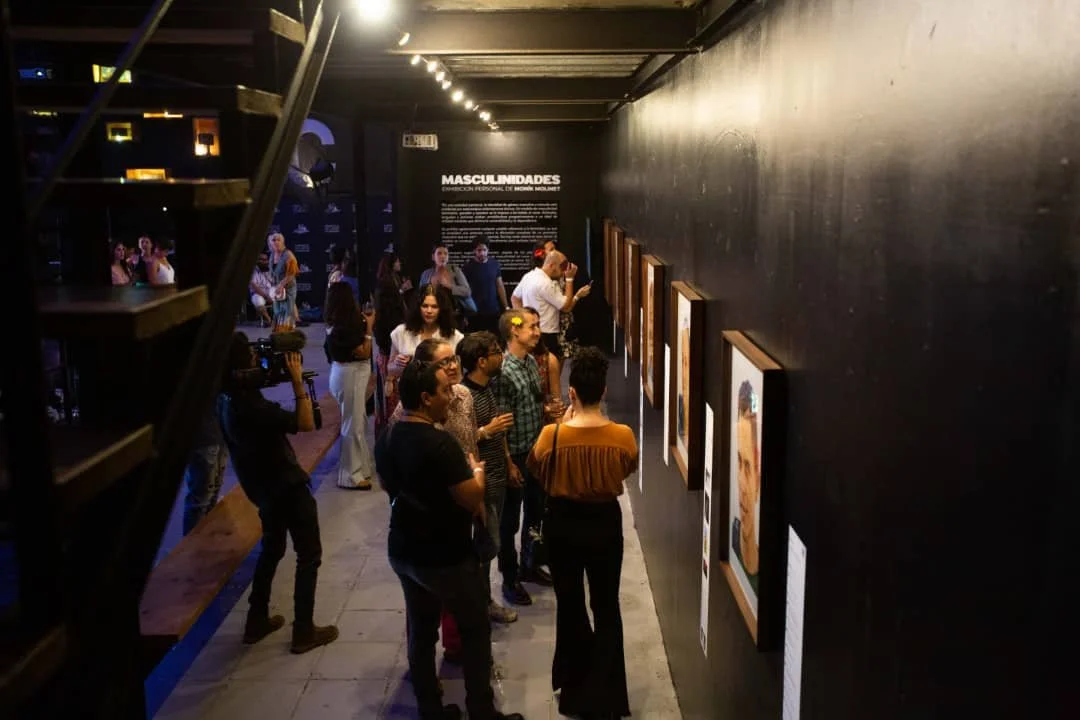
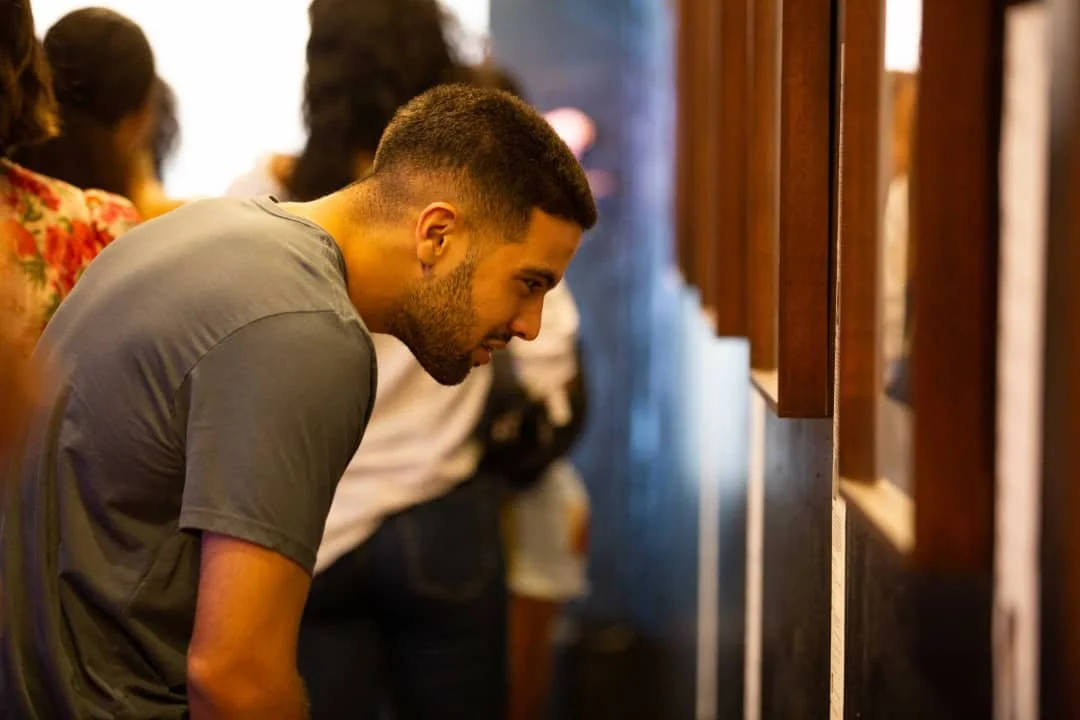
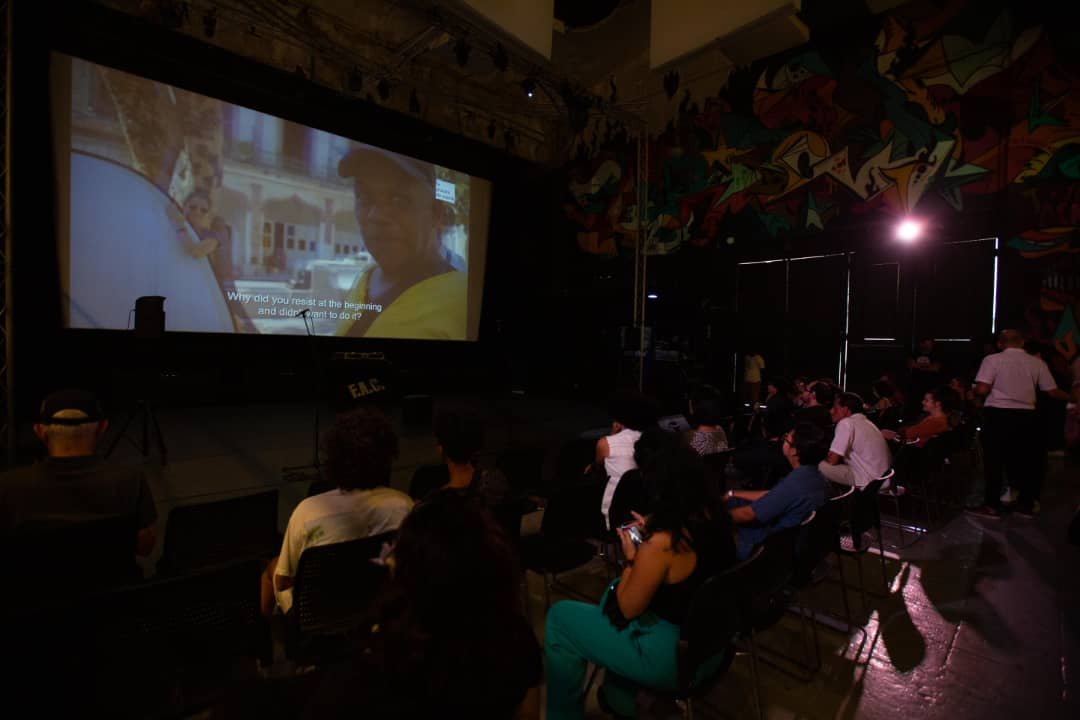
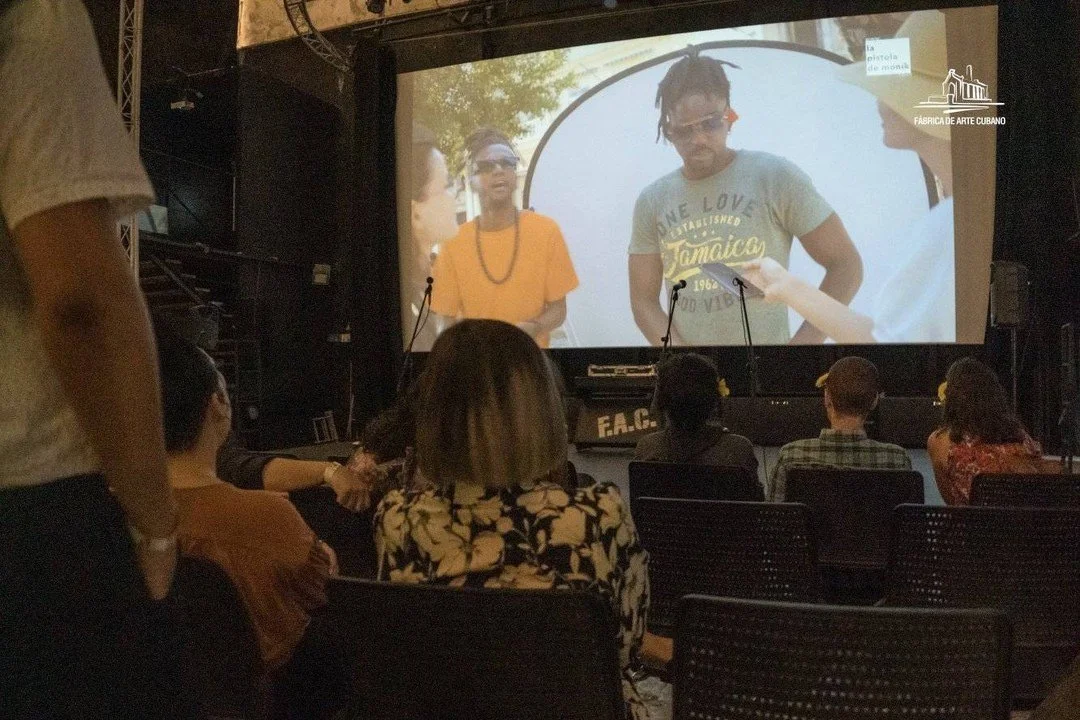
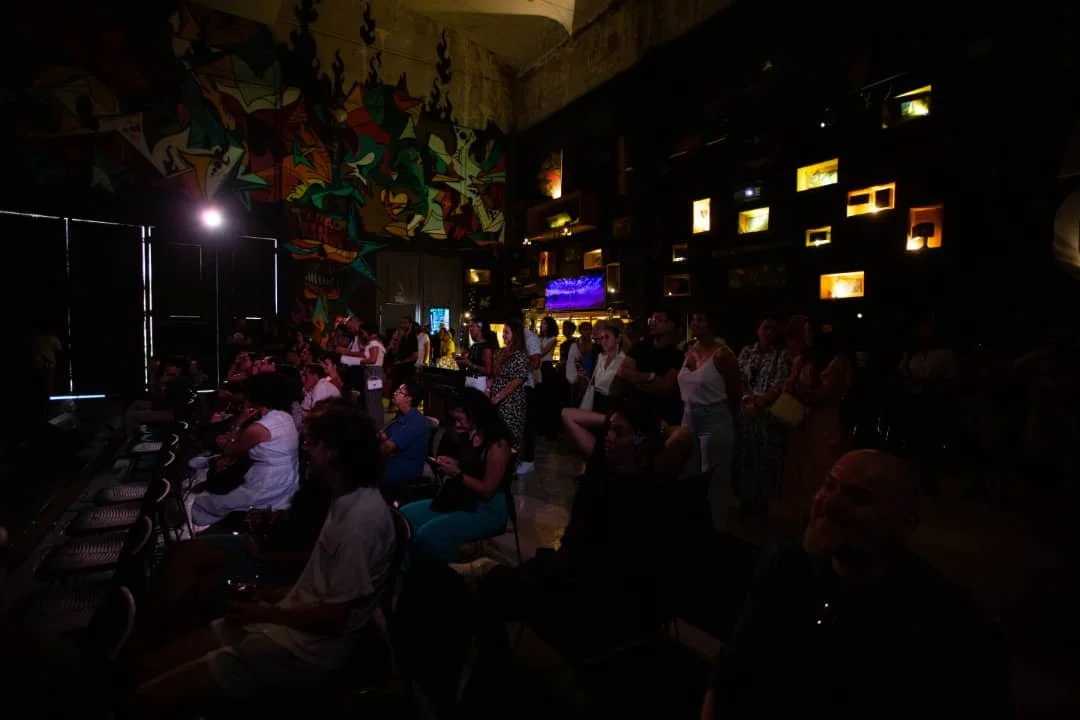
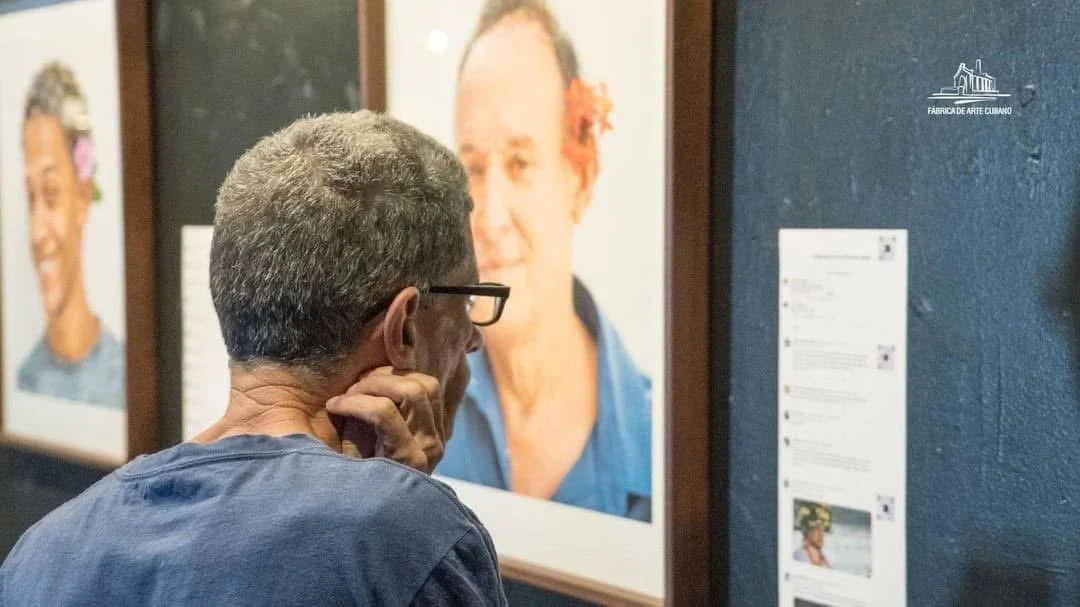
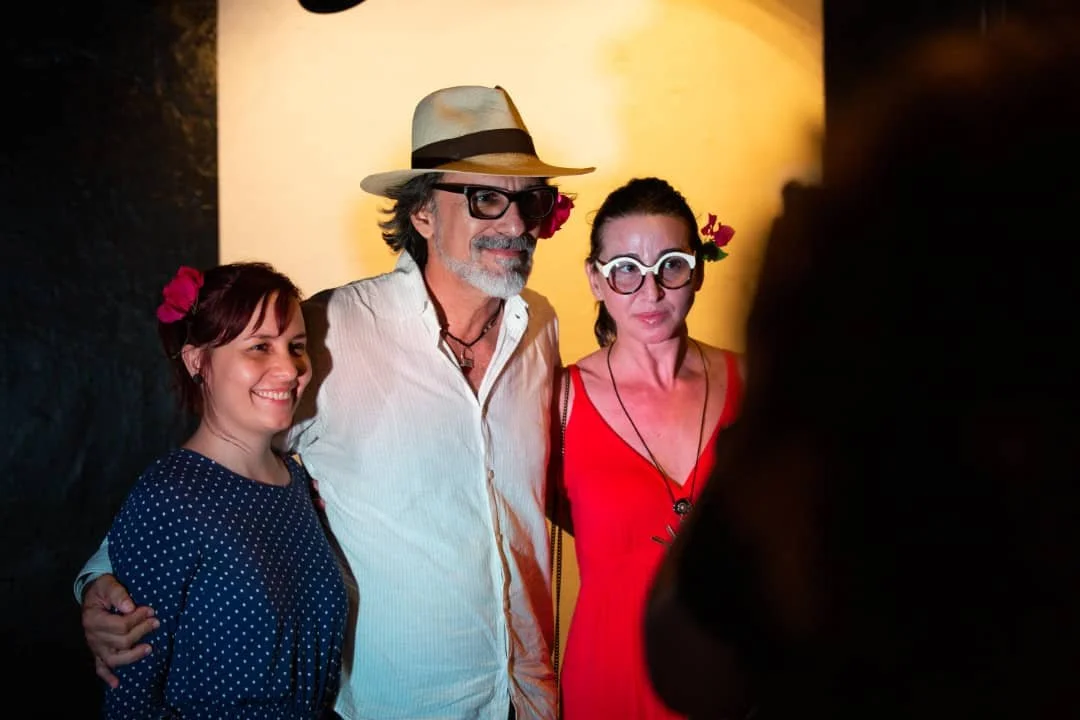
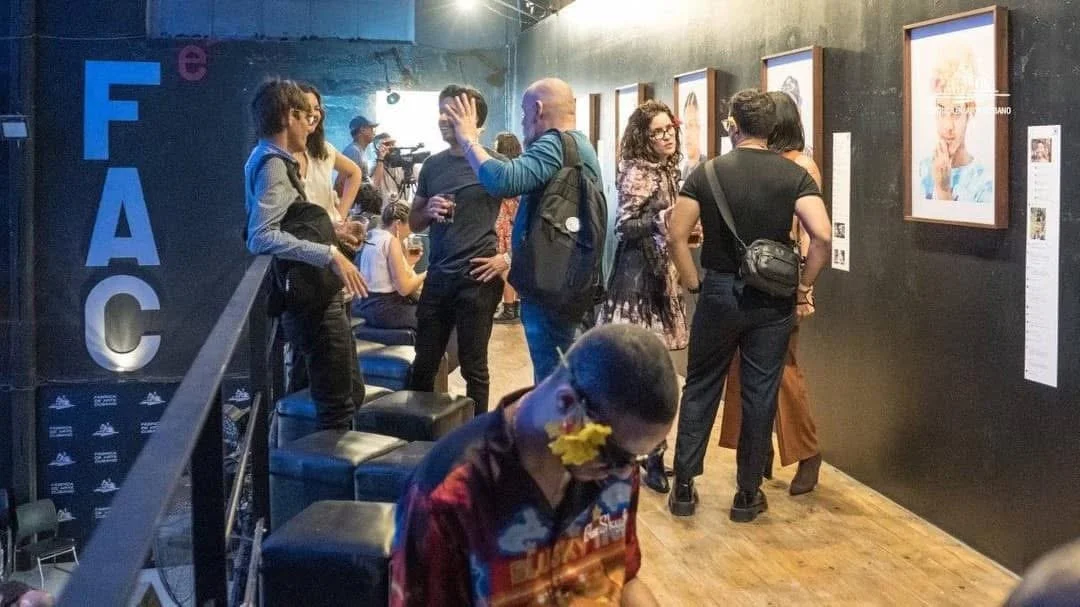
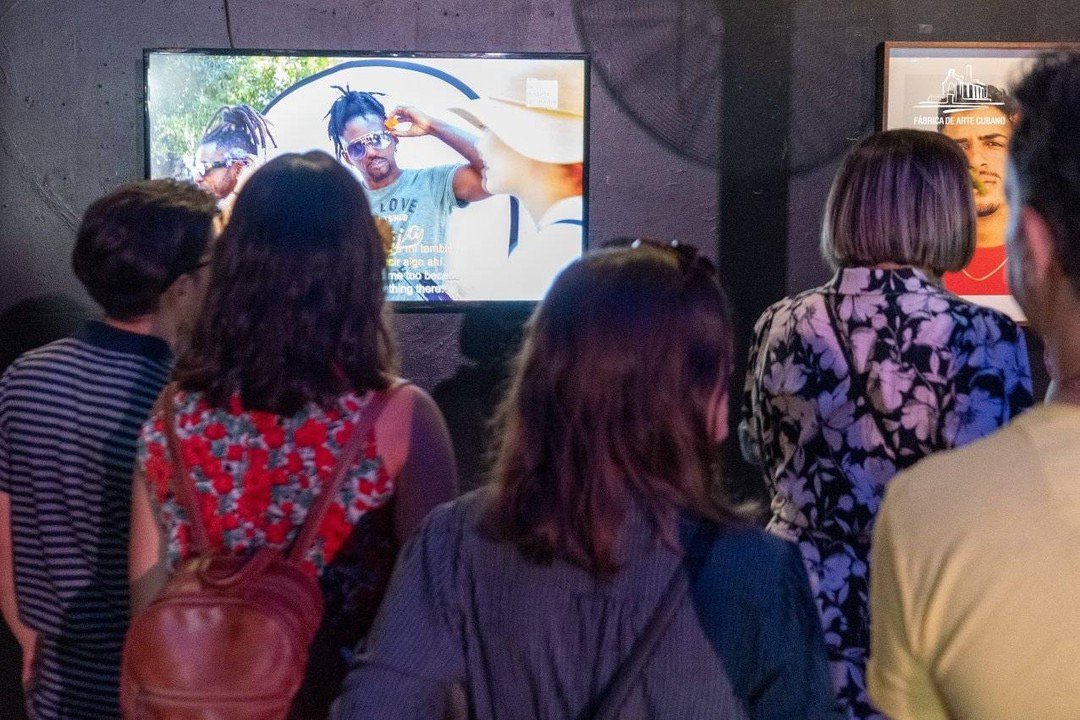
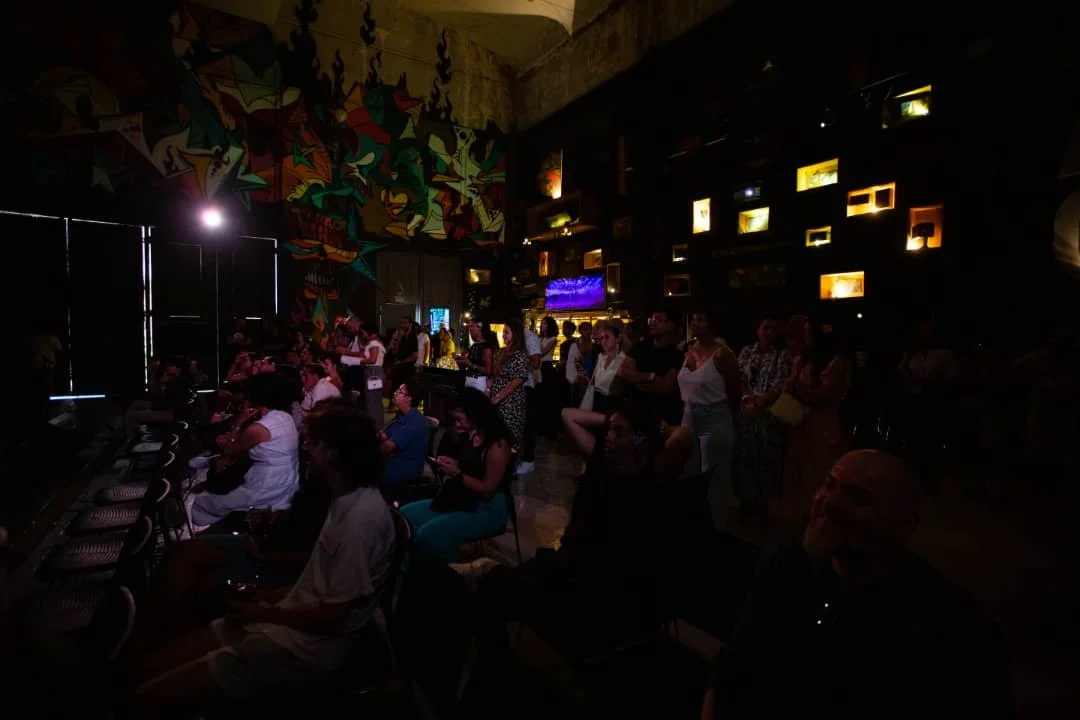
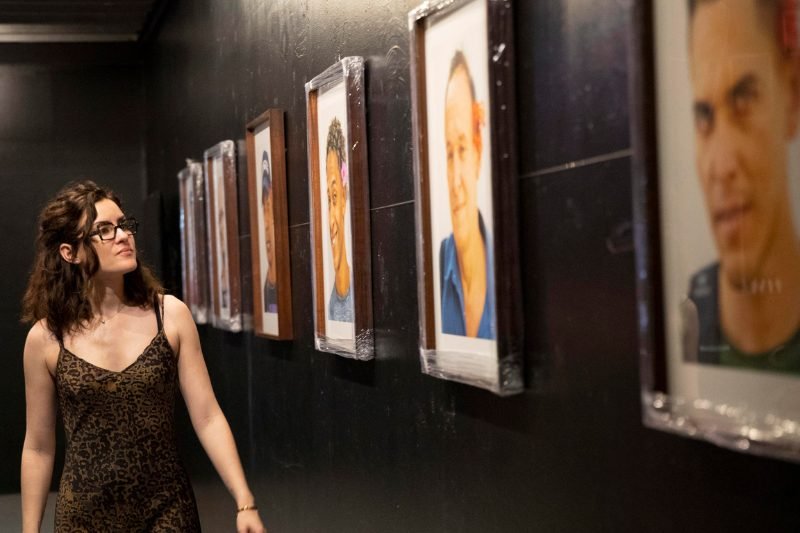
Thirteen of these portraits, together with the videos and an interactive area, were exhibited at Fábrica de Arte Cubano in Havana, where it was widely reported by over 60 national and international media.
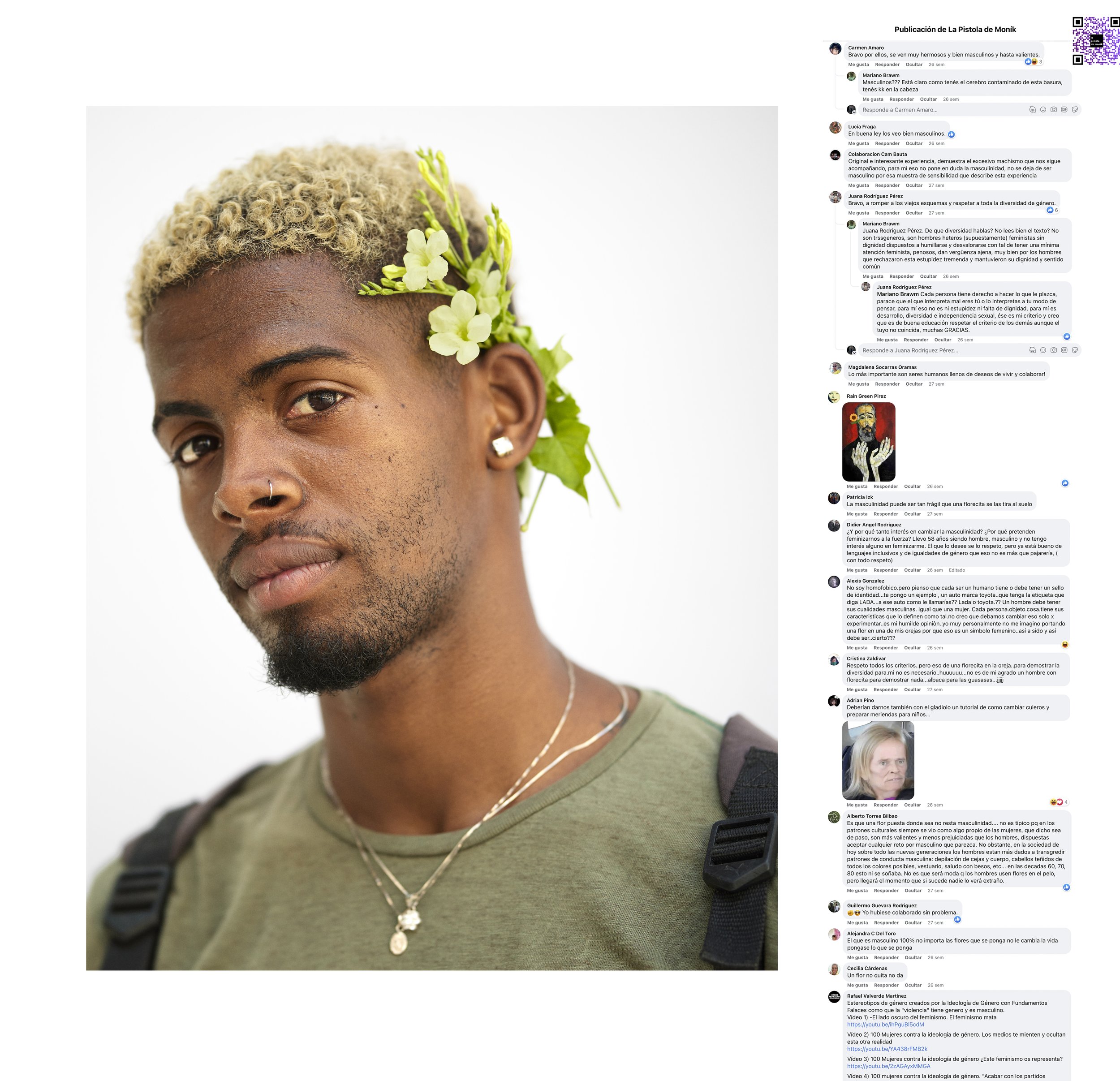
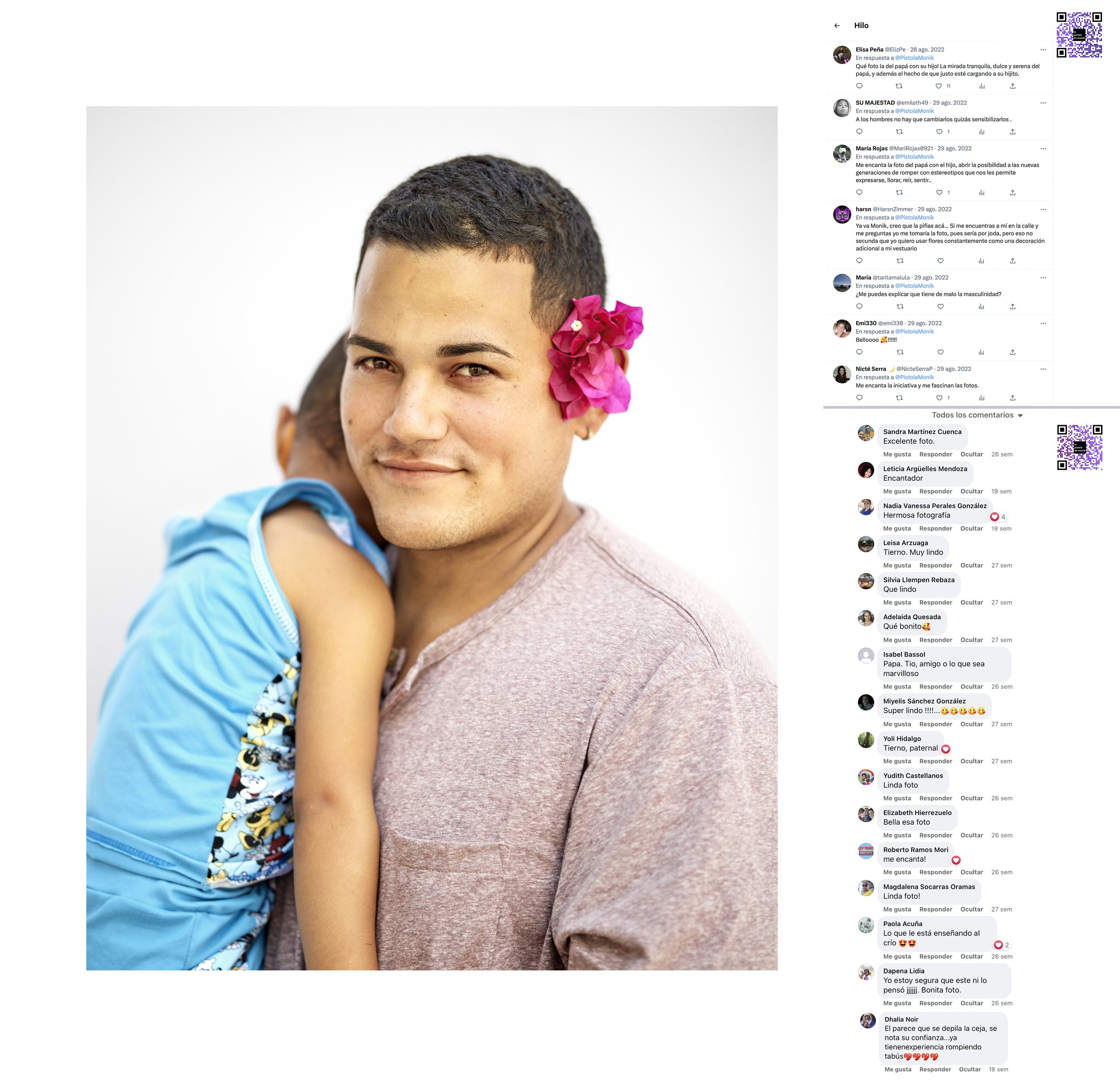
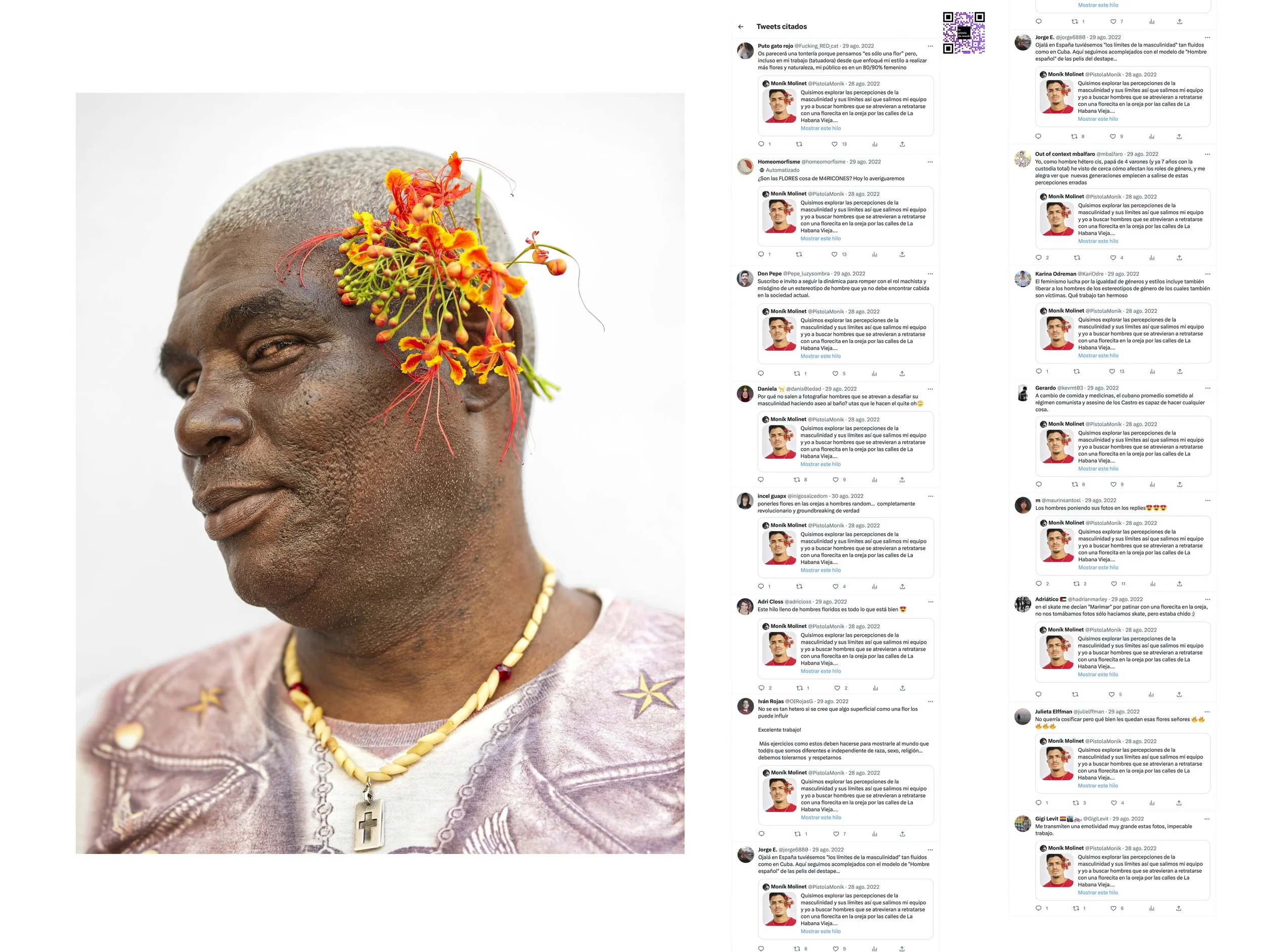
Urban Action Video Documentation
My team and I set out to question perceptions of masculinity and its limits. In public spaces, we invited men to be photographed after being intervened with a small wildflower placed behind their ear.
The invitation triggered a wide range of reactions. Some men felt offended, asserting their masculinity and refusing to “damage” that identity with a flower—“That’s for women,” they said. We encountered compliments, hostile stares, and openly misogynistic and homophobic responses, not only from the men involved but also from their companions and passersby drawn to the scene.
These encounters revealed the persistence of gender stereotypes in the contemporary world—here, in the streets of Havana—while also showing that many are willing, even if symbolically, to accept new dynamics and step outside the mold, initiating subtle shifts in the structure of masculinity.
Those who chose to participate did so after understanding the gesture as a sign of support in the fight against gender-based violence against women. Each of them established, in their own way, a dialogue with the flower.
Questioning toxic and oppressive masculinity is imperative if we are to move toward more equitable and healthier relationships.